Global Impact
UN Resolutions
Around the world, people living with rare diseases—including Duchenne muscular dystrophy—face delayed diagnosis, limited treatment options, and significant social and economic barriers. Over the past decade, these challenges have gained unprecedented visibility at the United Nations and other global forums. For the first time, rare diseases are being recognised not only as medical conditions, but as issues of equity, human rights, and universal health coverage.
This page brings together the key UN resolutions, political declarations, and international outcome documents that reference or support people living with rare diseases or Duchenne. These texts mark major milestones in global advocacy: they shape how governments design health policies, allocate resources, build national strategies, and integrate rare diseases into broader development agendas.
By highlighting these documents, we aim to show how the international community is increasingly acknowledging the needs of families affected by rare diseases—and how these commitments can be used to drive meaningful change at national and local levels.

UN General Assembly Resolution on Persons Living with a Rare Disease
A/RES/76/132 — “Addressing the challenges of persons living with a rare disease and their families”
Adopted in December 2021, this landmark resolution is the first time the United Nations formally recognised persons living with a rare disease (PLWRD) as a population with specific rights, social needs, and health-system challenges.
It calls on all UN Member States to combat discrimination, improve access to education and employment, expand social protection, and ensure that people with rare diseases are included in the global push for Universal Health Coverage (UHC). The resolution also encourages governments to collect better data, strengthen patient-centred health systems, and prioritise early diagnosis and coordinated care.
It remains the most comprehensive UN-level commitment ever made toward the rare-disease community.
World Duchenne Awareness Day
In 2023, the UN General Assembly adopted resolution A/RES/78/12 designating 7 September as World Duchenne Awareness Day—the first United Nations international day dedicated to a rare disease. The resolution recognizes Duchenne muscular dystrophy as one of the most common pediatric genetic rare diseases and calls on Member States and UN bodies to raise awareness of the specific challenges faced by people living with Duchenne and related neuromuscular conditions, and to promote their rights, inclusion, and access to appropriate care and support. By elevating World Duchenne Awareness Day into the UN calendar, the resolution helps move Duchenne and other rare diseases from the margins of health and disability policy into a visible global priority linked to human rights, social participation, and sustainable development.
Political Declarations on Universal Health Coverage
A/RES/78/4
The UN’s High-Level Meetings on Universal Health Coverage explicitly recognise rare diseases among the conditions that must be addressed for health coverage to be truly universal. The declaration was the first major global outcome document to name rare diseases within the UHC agenda. The 2023 declaration reaffirmed this commitment, urging governments to close access gaps for people whose conditions are often overlooked in mainstream health policy—including those living with Duchenne and other rare neuromuscular disorders.
These documents help position rare diseases not as isolated medical issues, but as integral to global equity, sustainable development, and financial protection in healthcare.
World Health Assembly Resolution on Rare Diseases
WHA78
“Rare diseases: a global health priority for equity and inclusion” Adopted by the World Health Organization’s governing body, this resolution elevates rare diseases to a formal global health priority. It urges countries to integrate rare-disease policies into national health plans, strengthen newborn screening, reduce diagnostic delays, and improve access to essential medicines, rehabilitation, and assistive technologies. Importantly, the resolution creates a mandate for WHO to develop a Global Action Plan on Rare Diseases—the first coordinated global strategy with measurable targets. For people living with Duchenne muscular dystrophy, this recognition supports the expansion of specialised care pathways, earlier diagnosis, and cross-border collaboration on research and access to treatment.
General UN References to Disabilities, Childhood Illness & Non-Communicable Diseases
Although not specific to rare diseases or Duchenne, several broader UN resolutions and outcome documents include language on:
- Children with chronic or life-limiting conditions
- Persons with disabilities
- Non-communicable diseases (NCDs)
- Rehabilitation and assistive technology
These frameworks are frequently used by advocates to advance the rights of children and adults living with Duchenne, as DMD intersects with disability rights, health-system strengthening, and inclusive education. Key examples include:
- The Convention on the Rights of Persons with Disabilities (CRPD)
- UNGA resolutions on NCDs and childhood health
More Outcome Documents
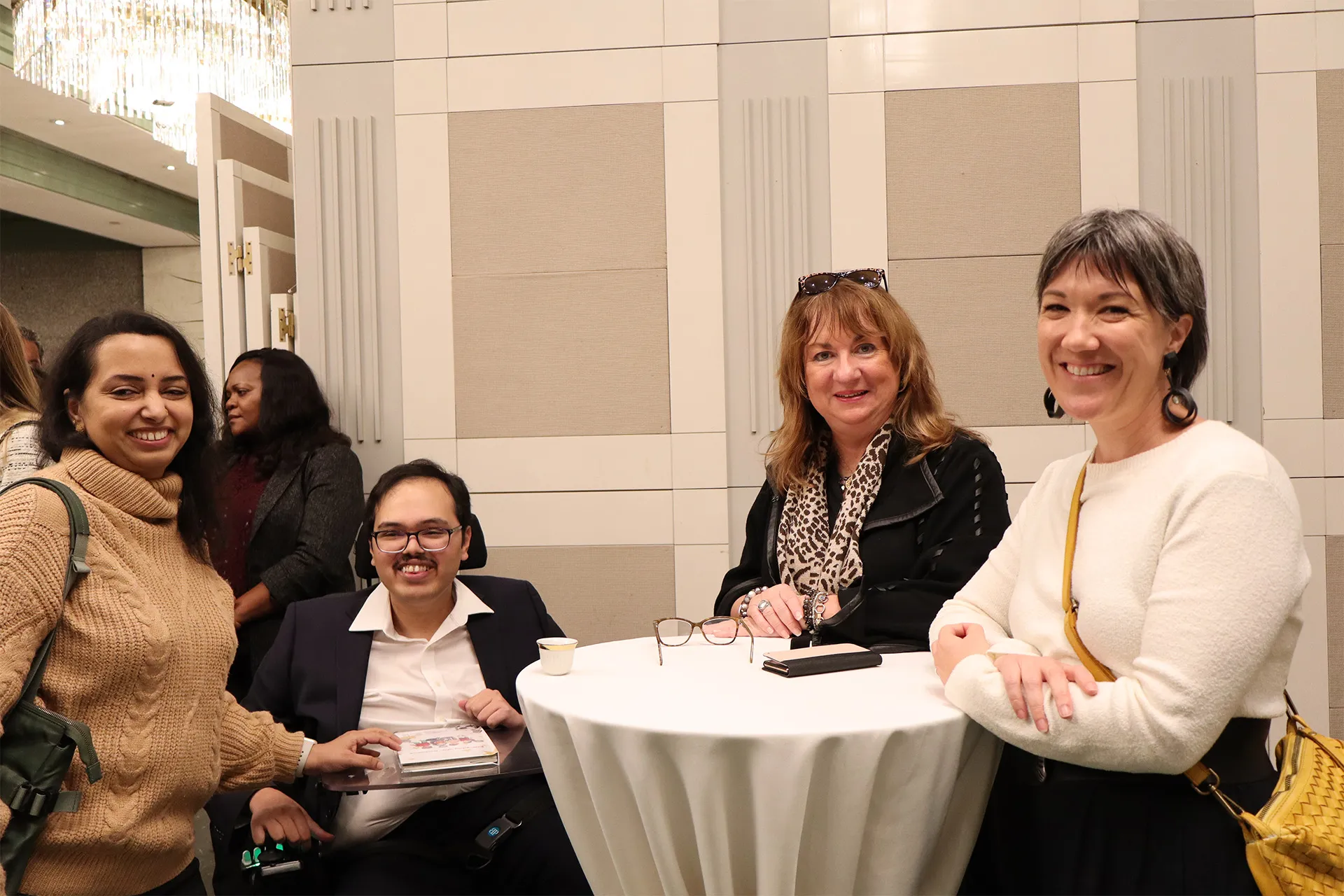
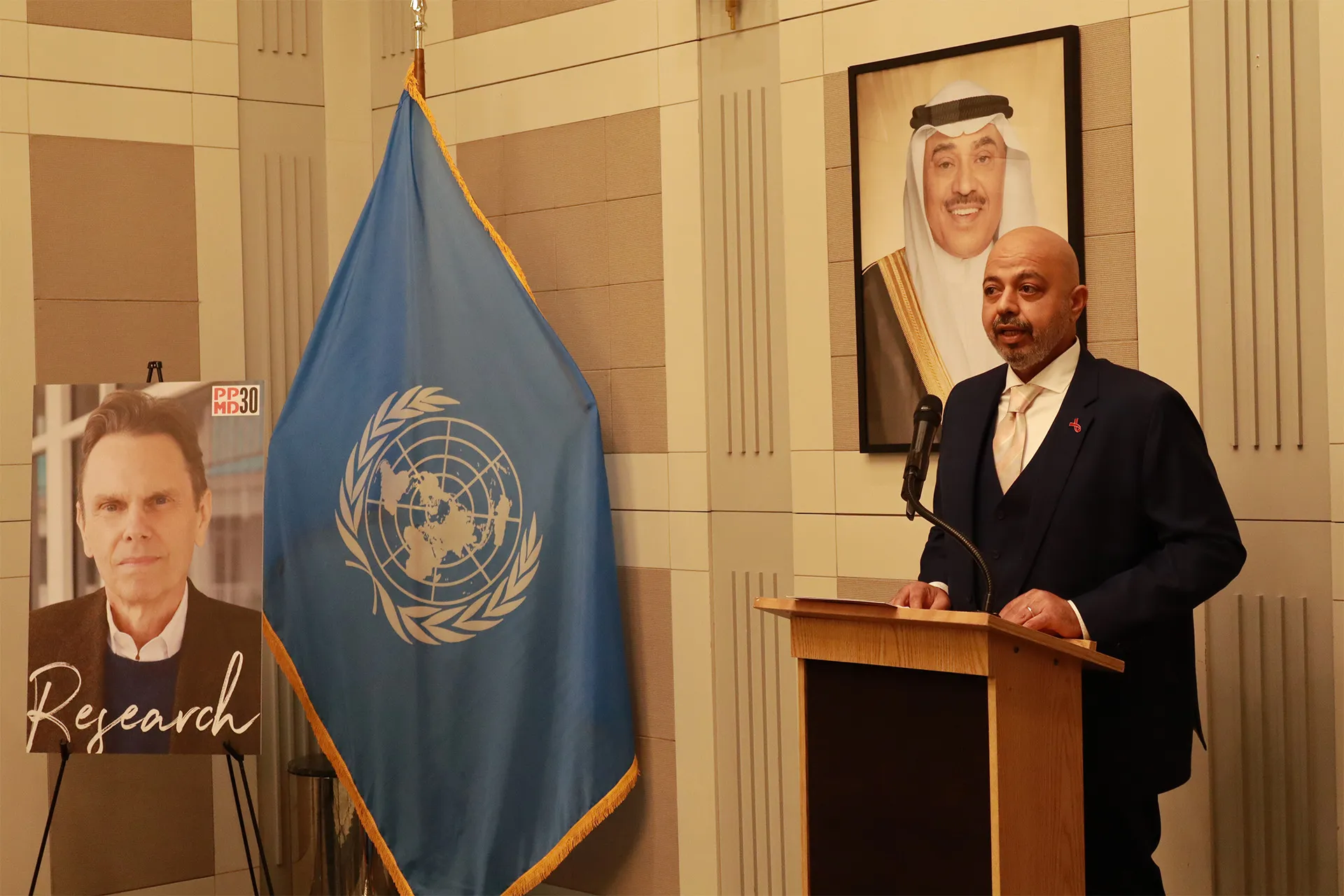
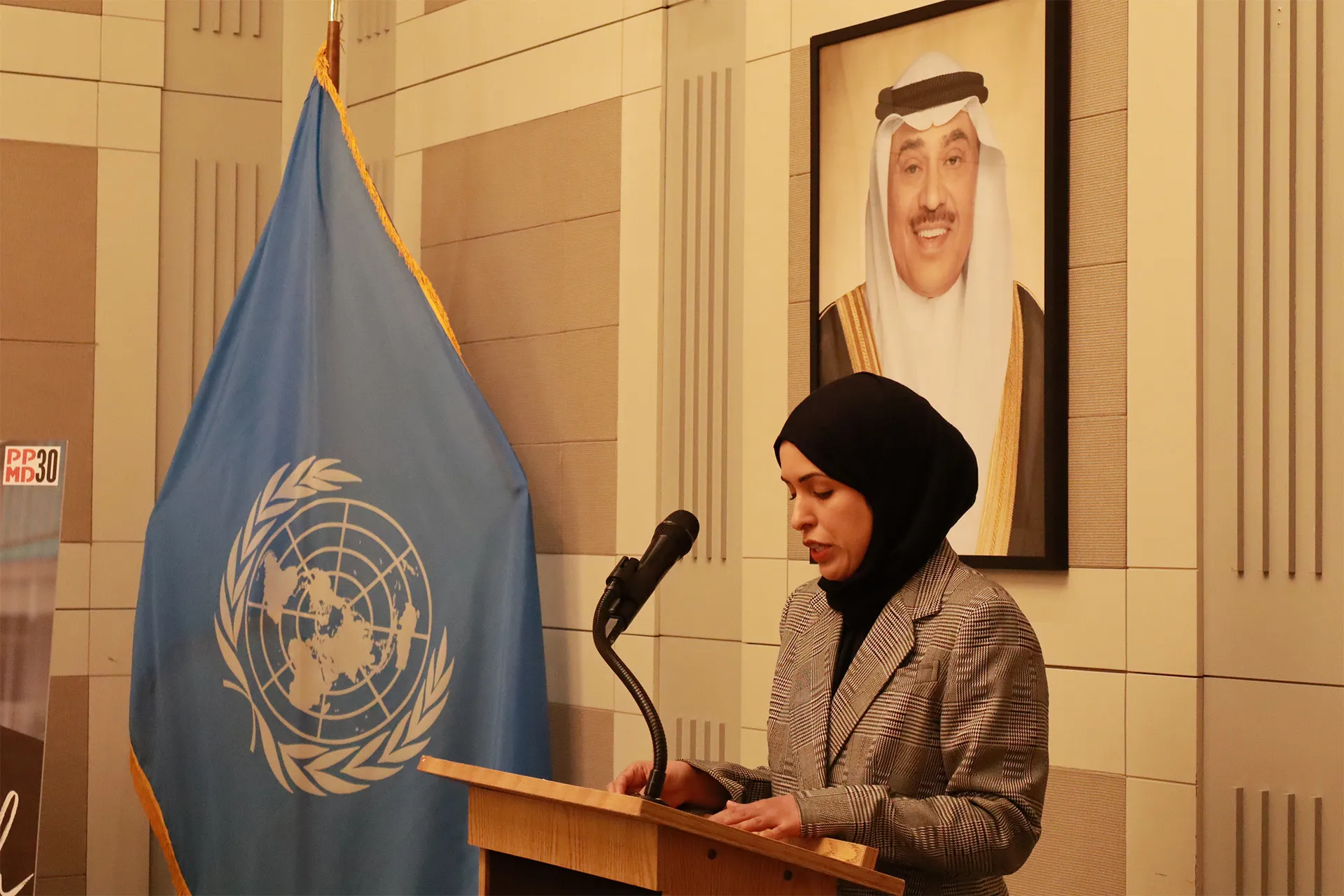
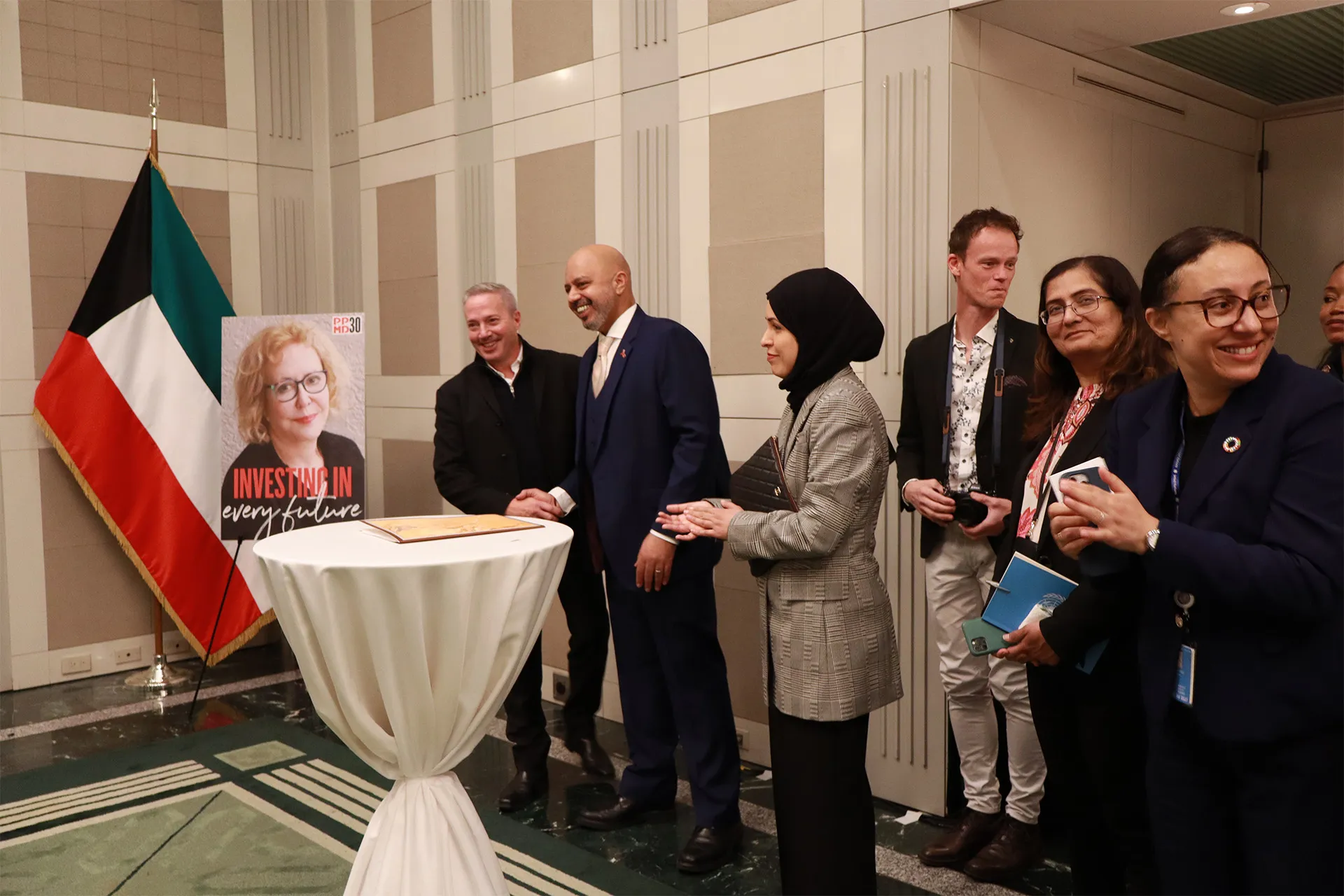
Event Gallery
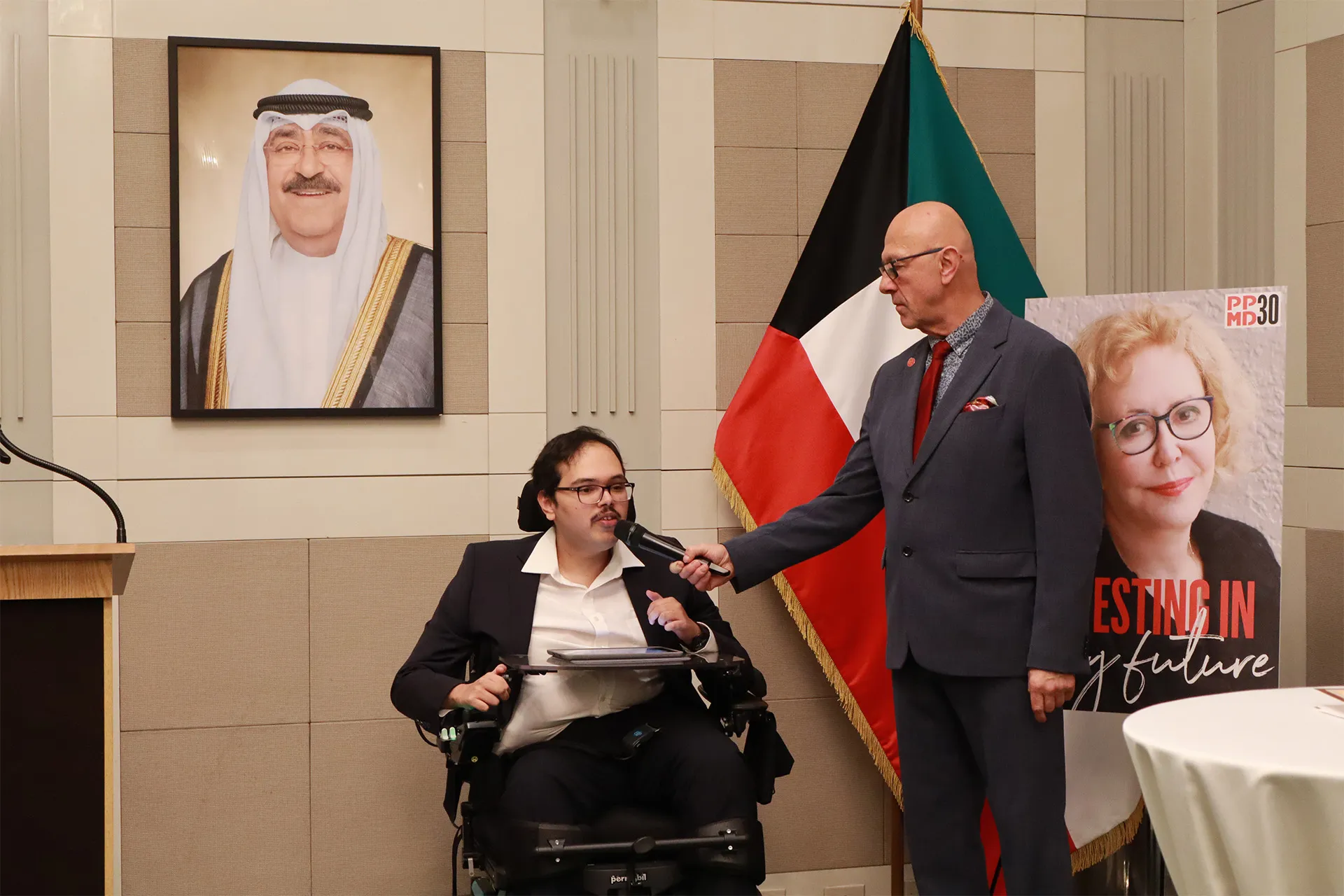
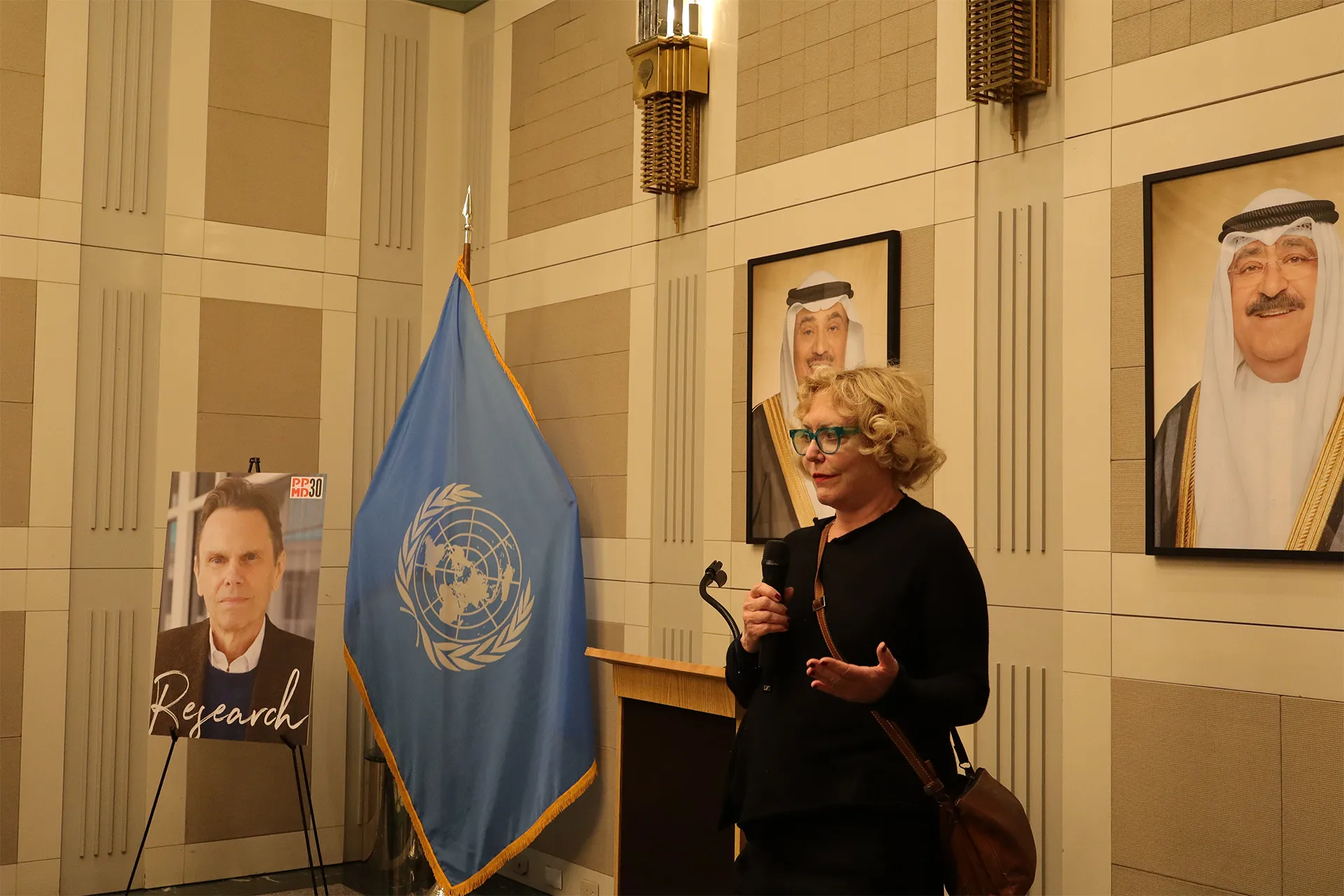
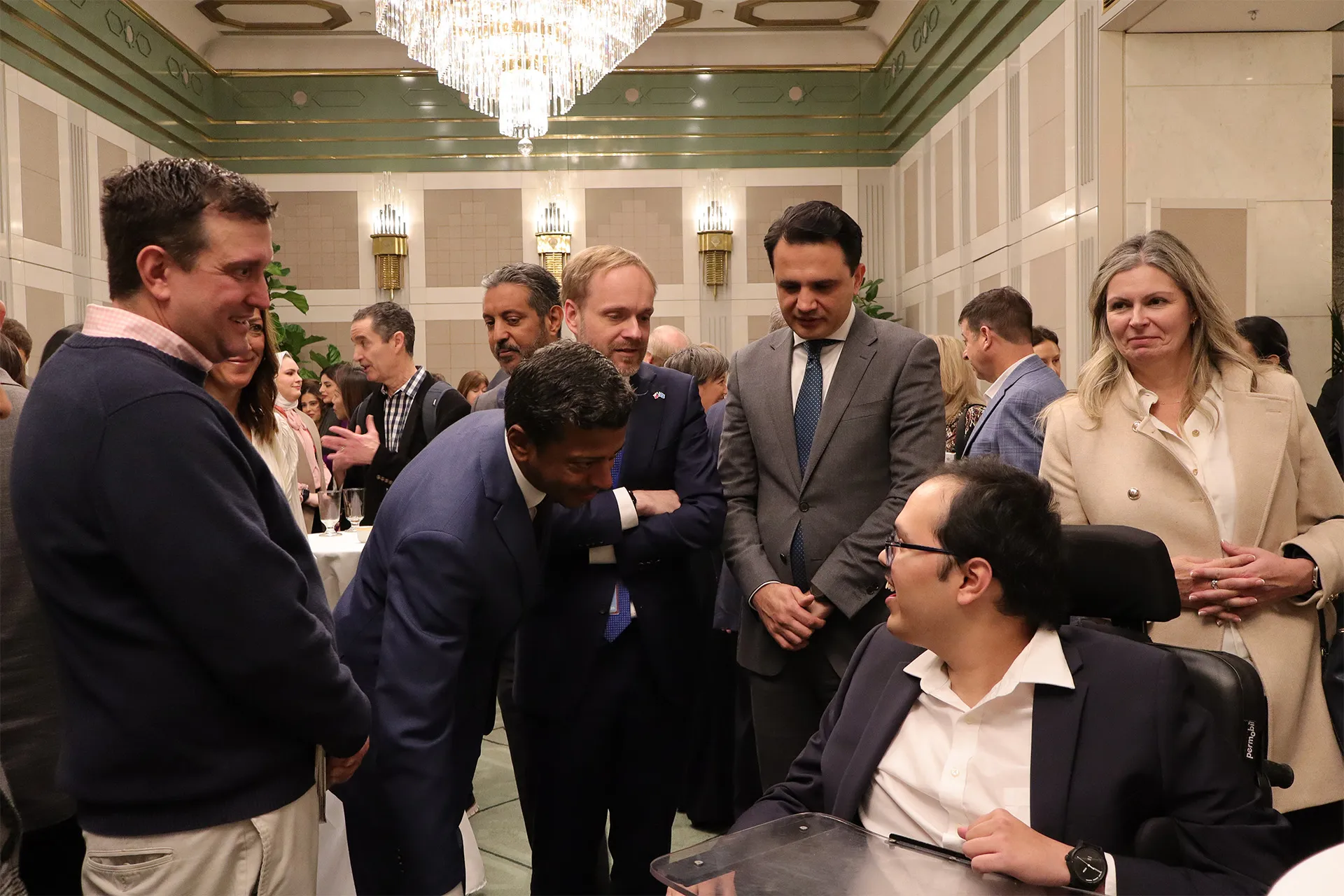
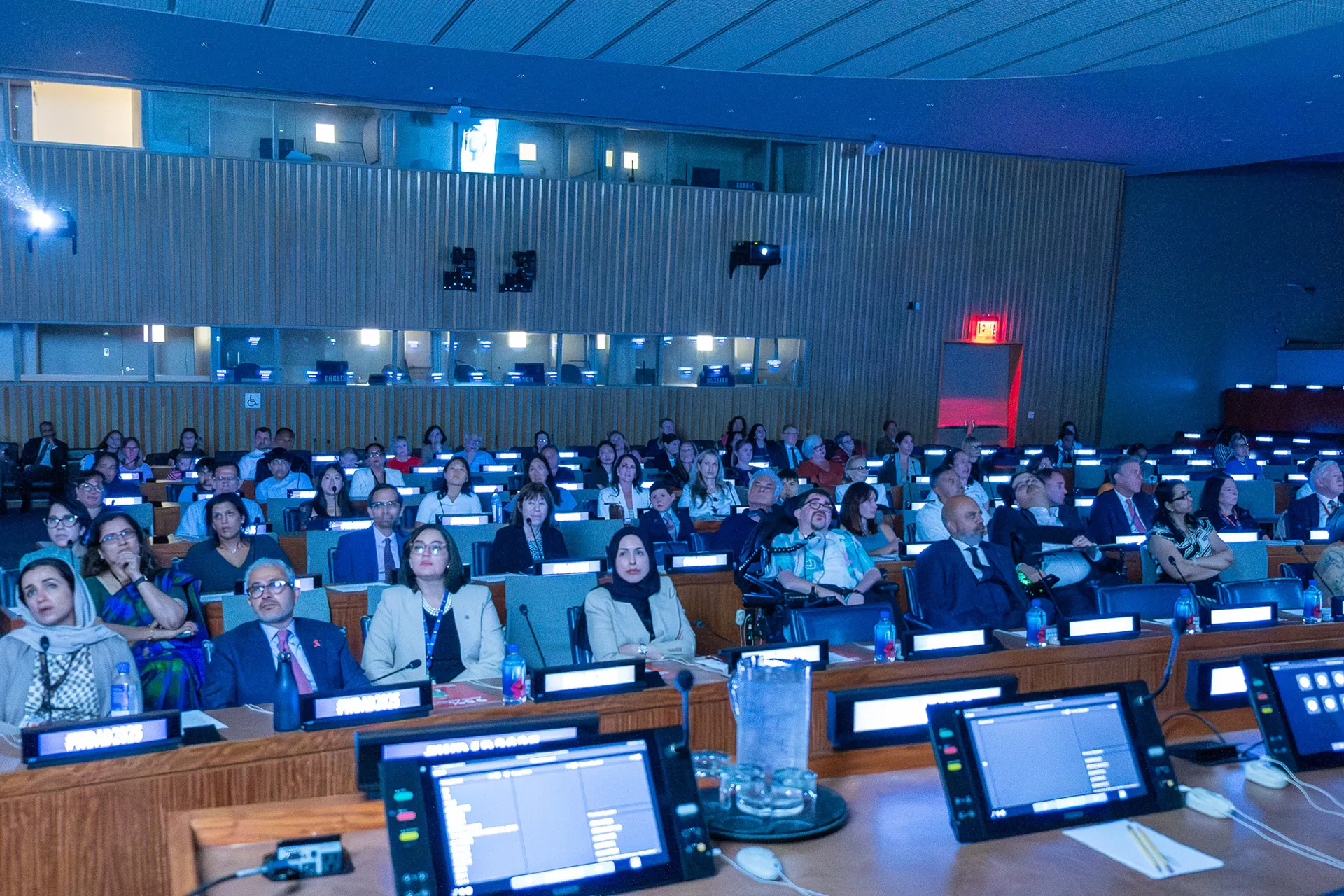
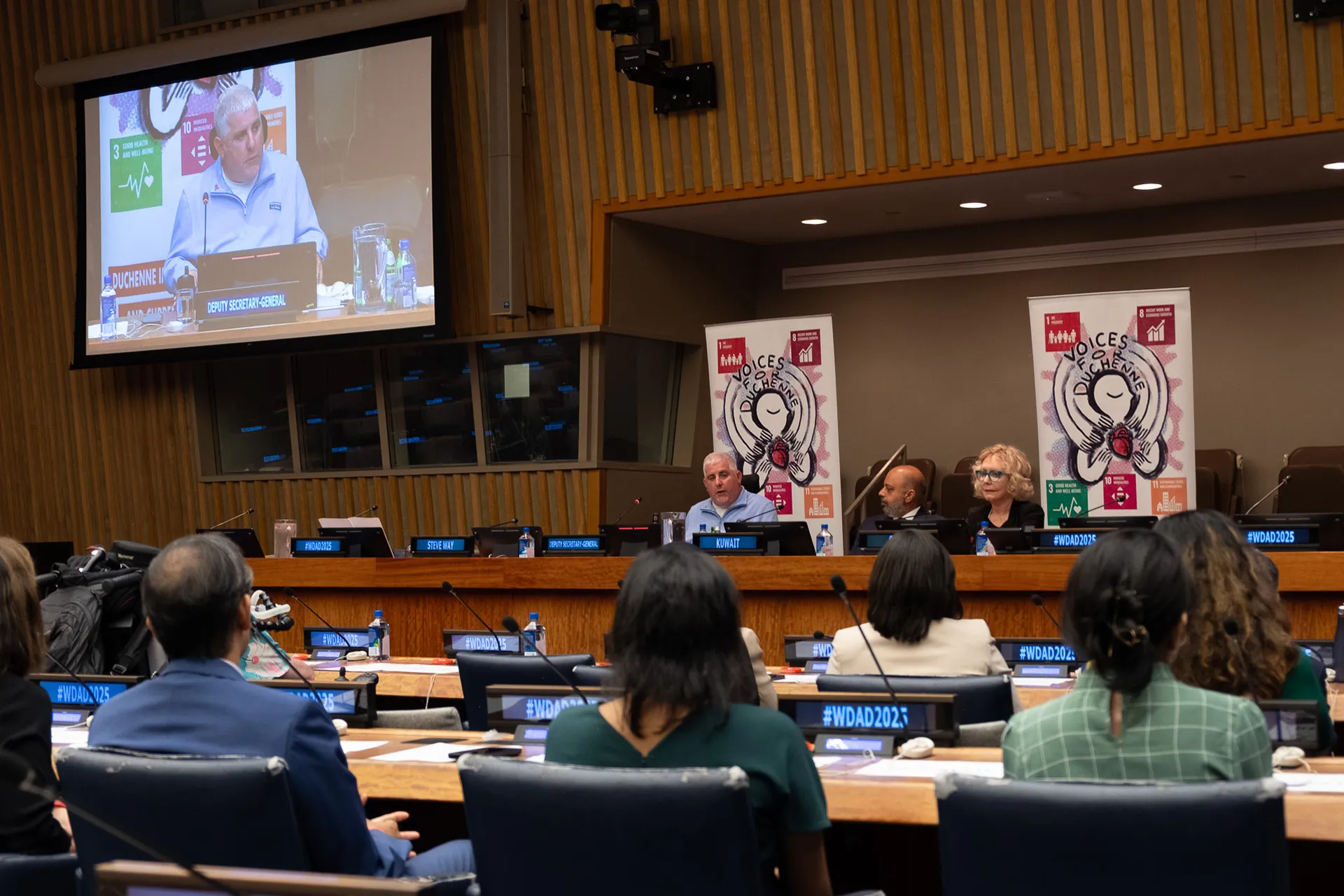
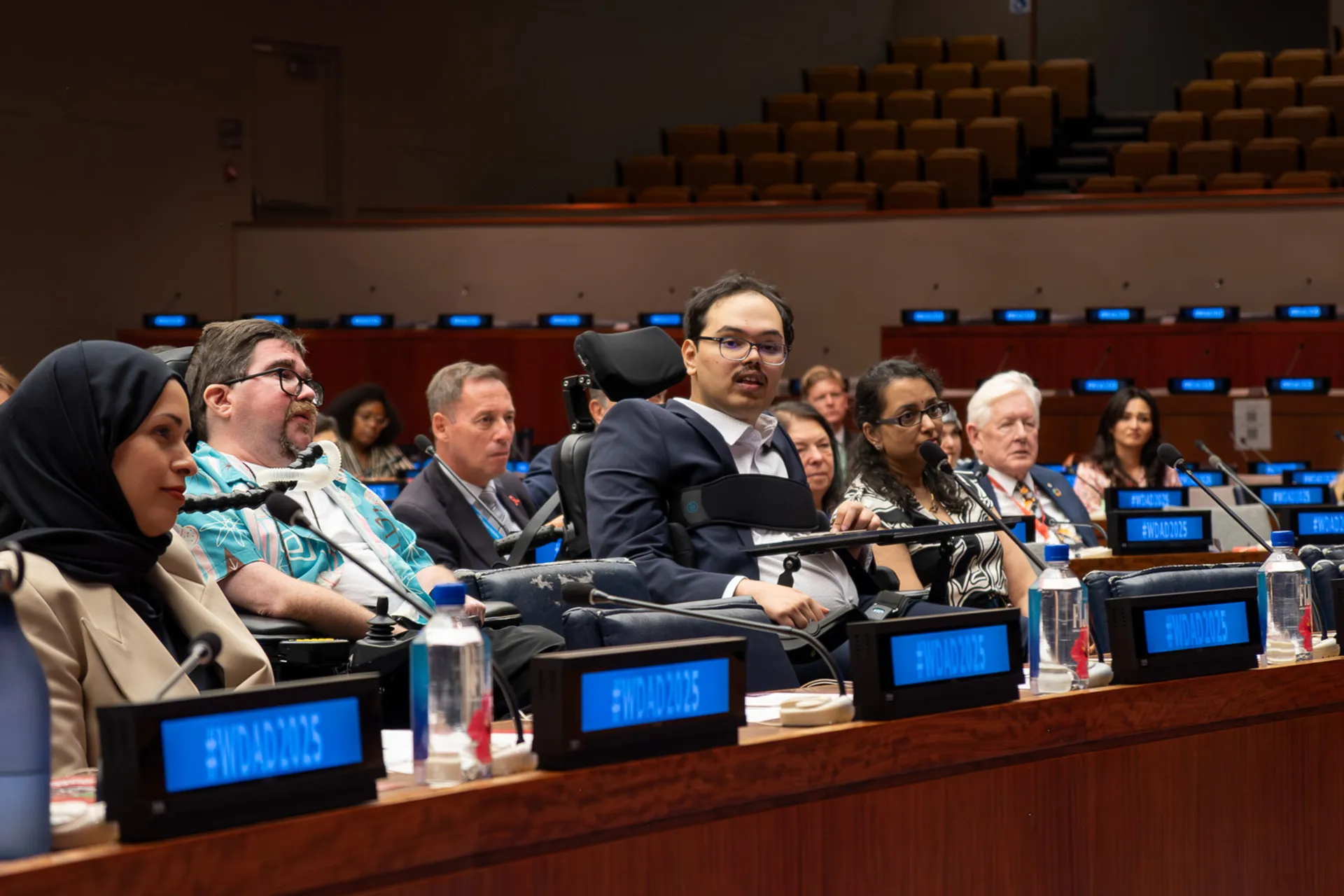
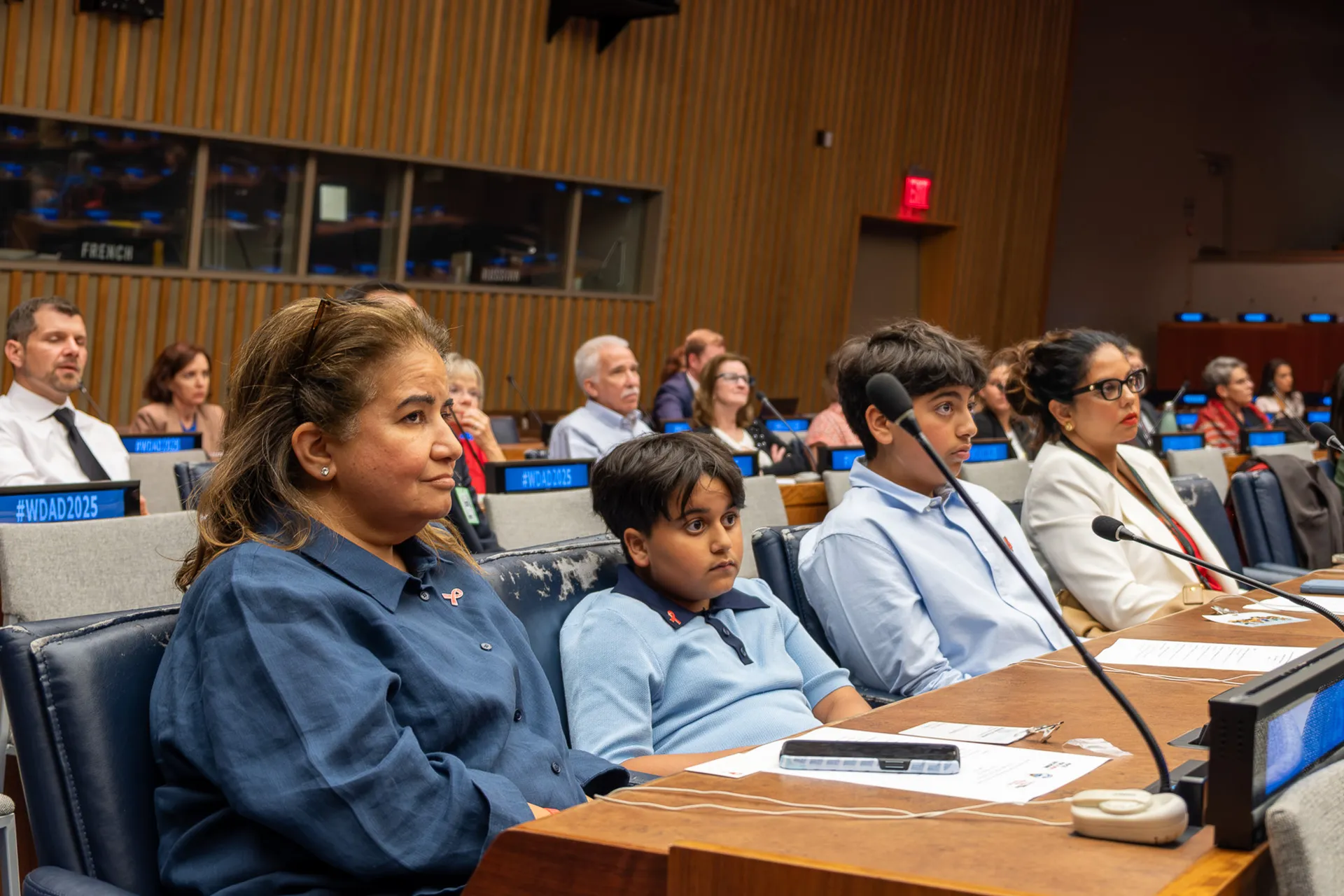
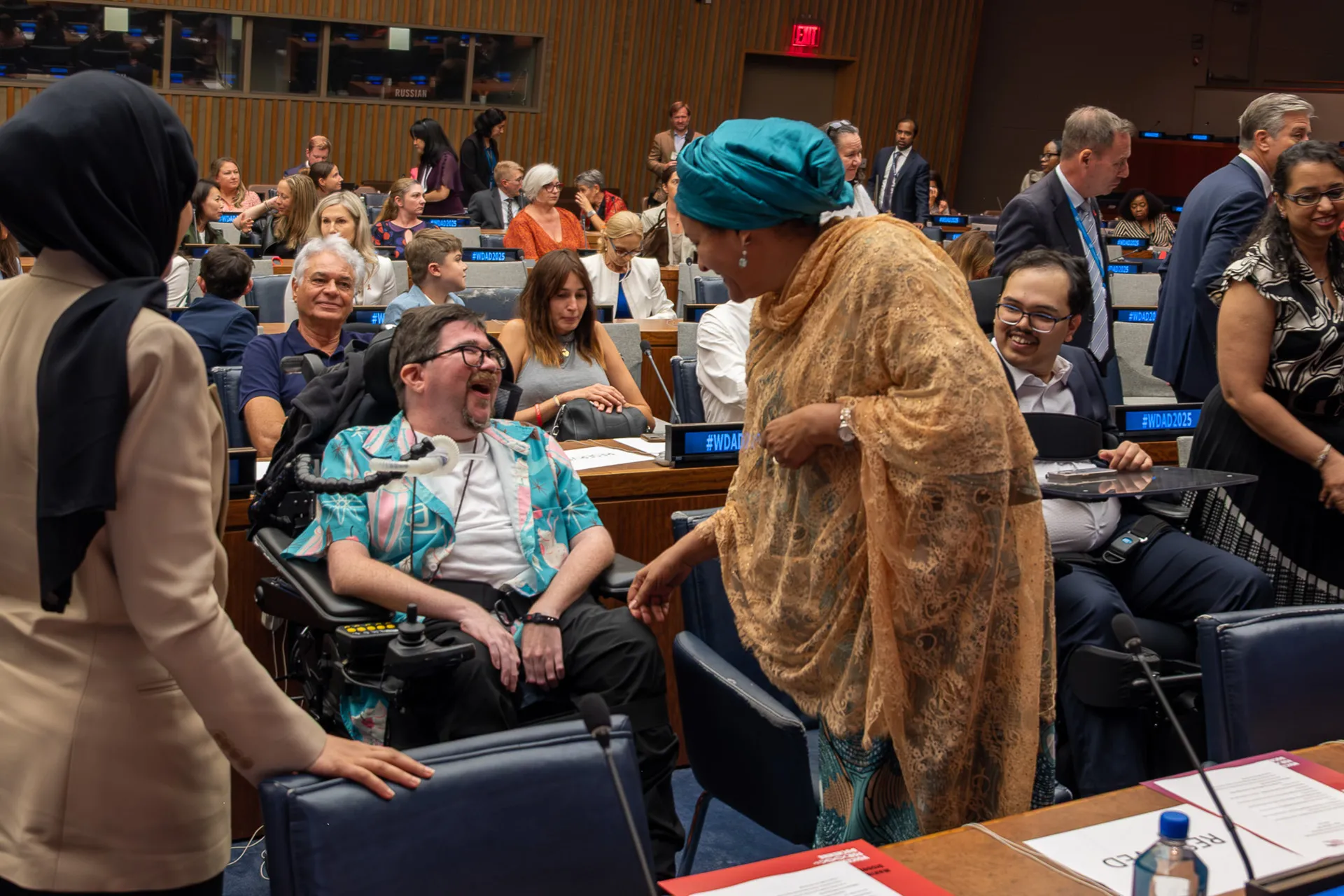
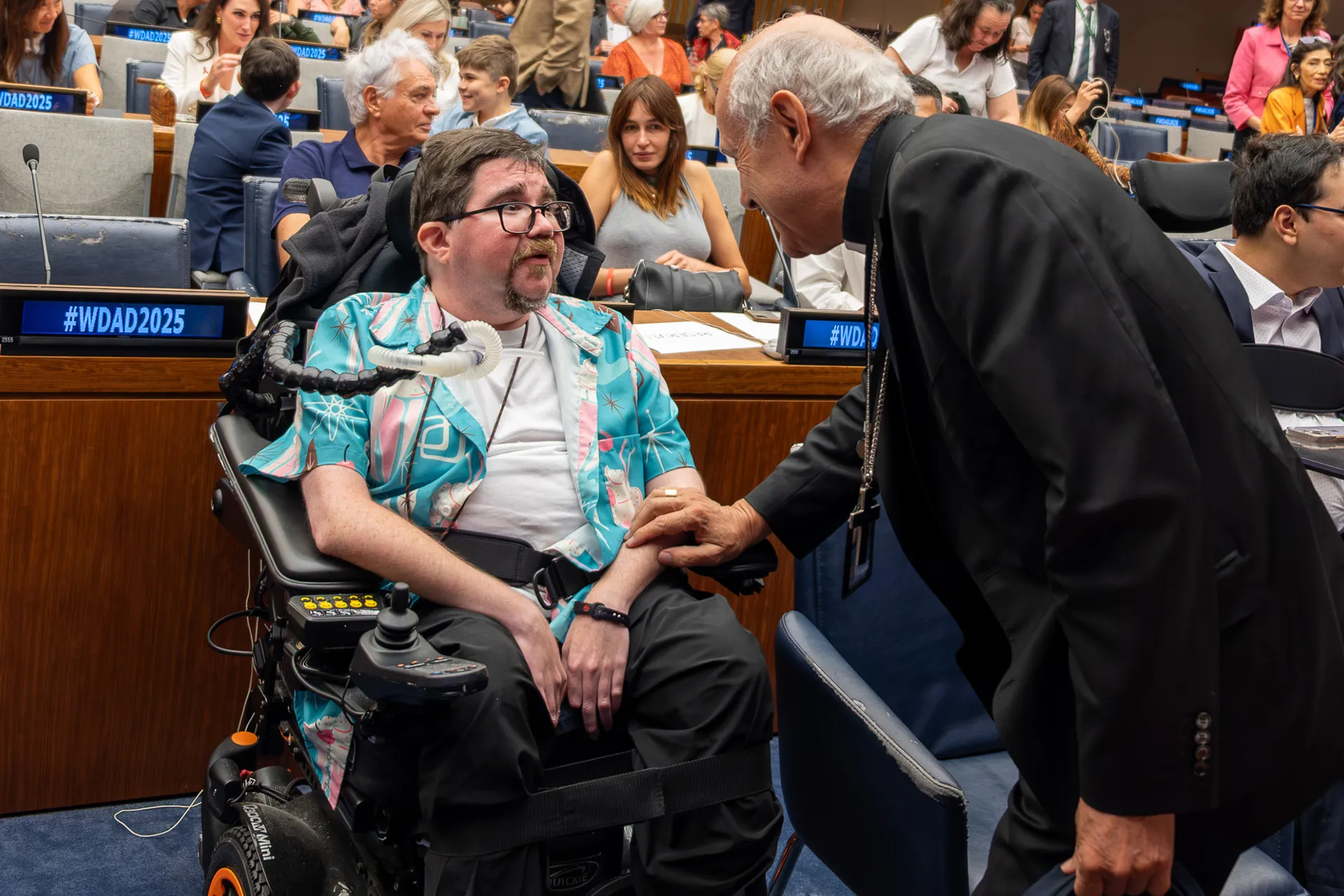
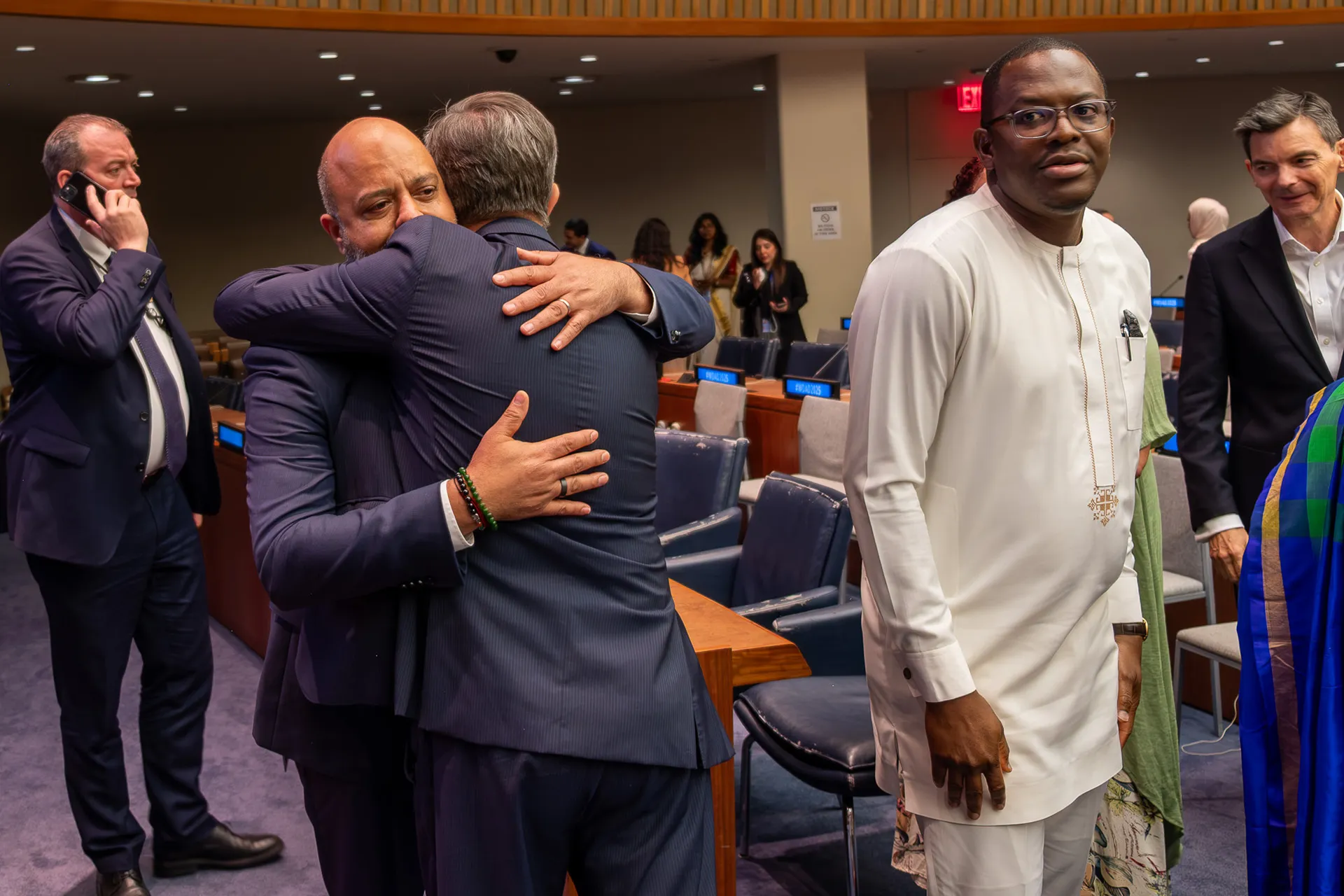
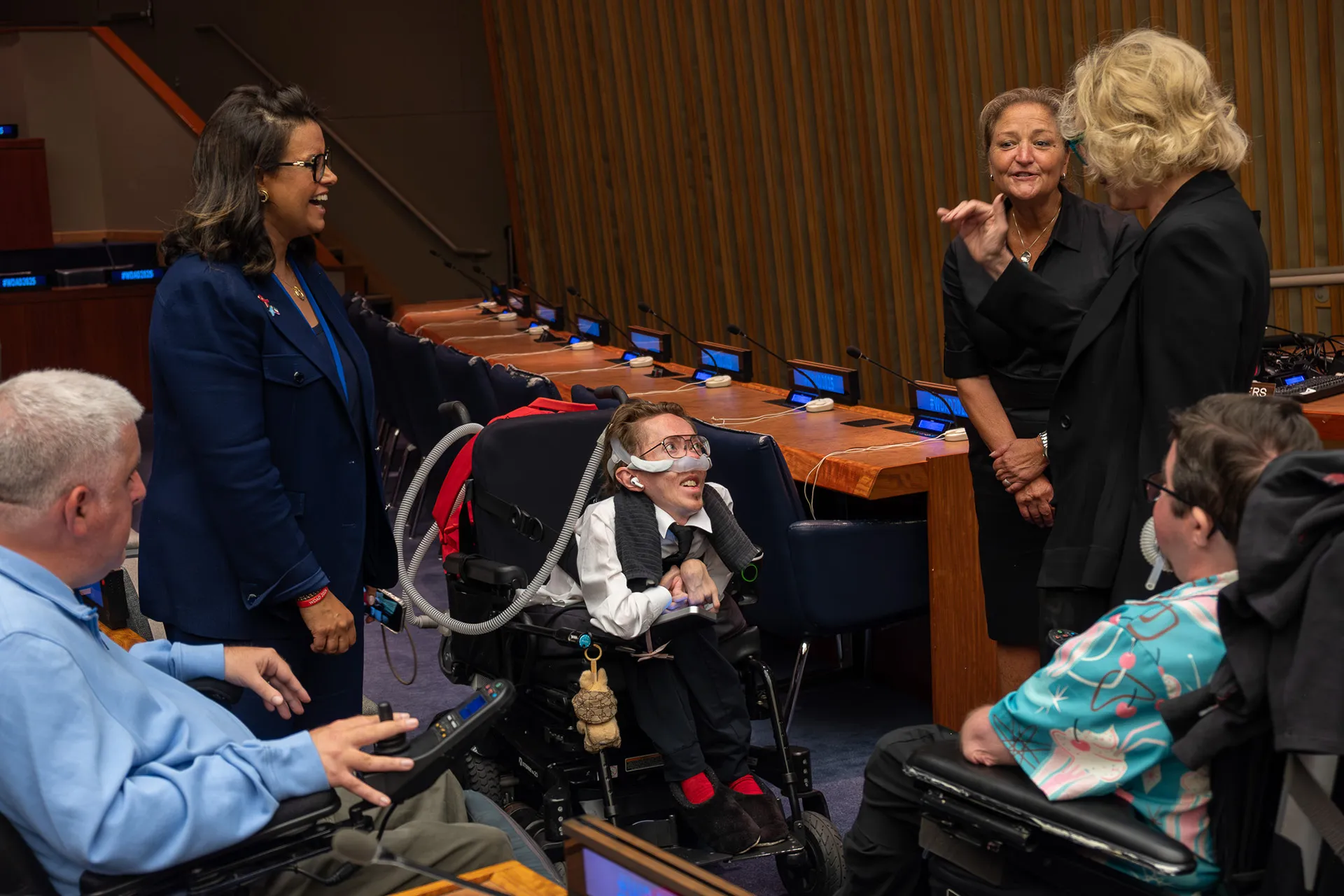
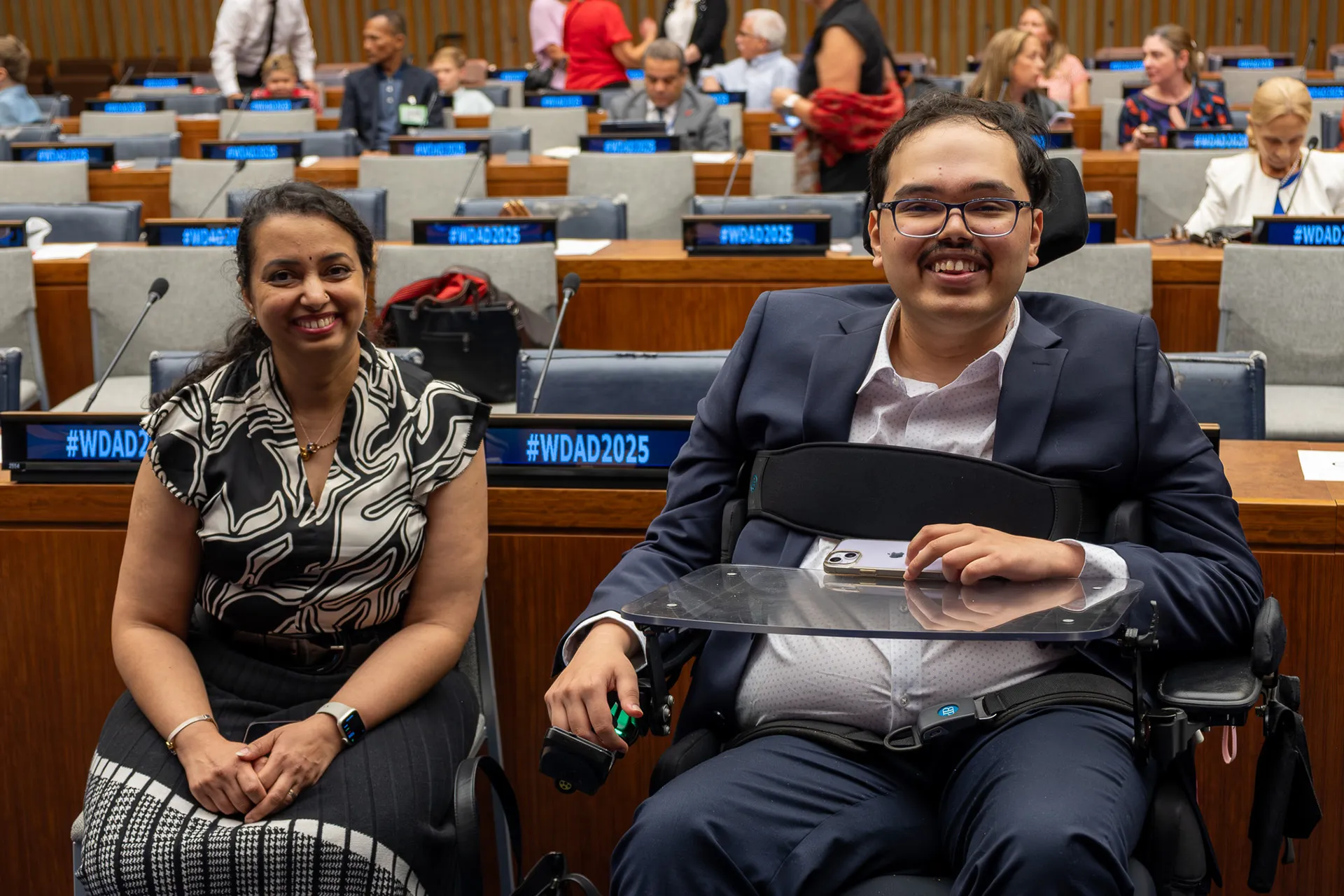
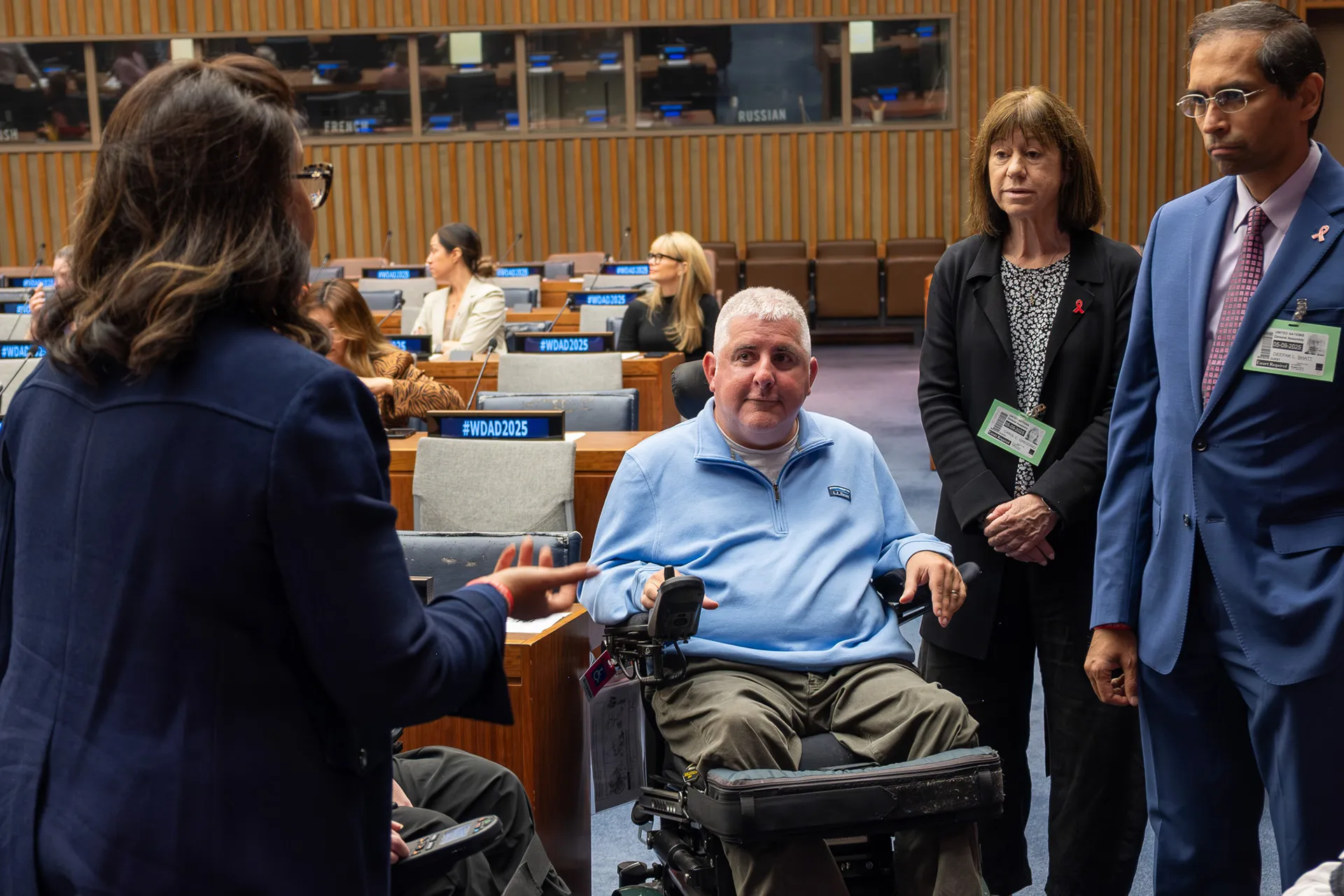
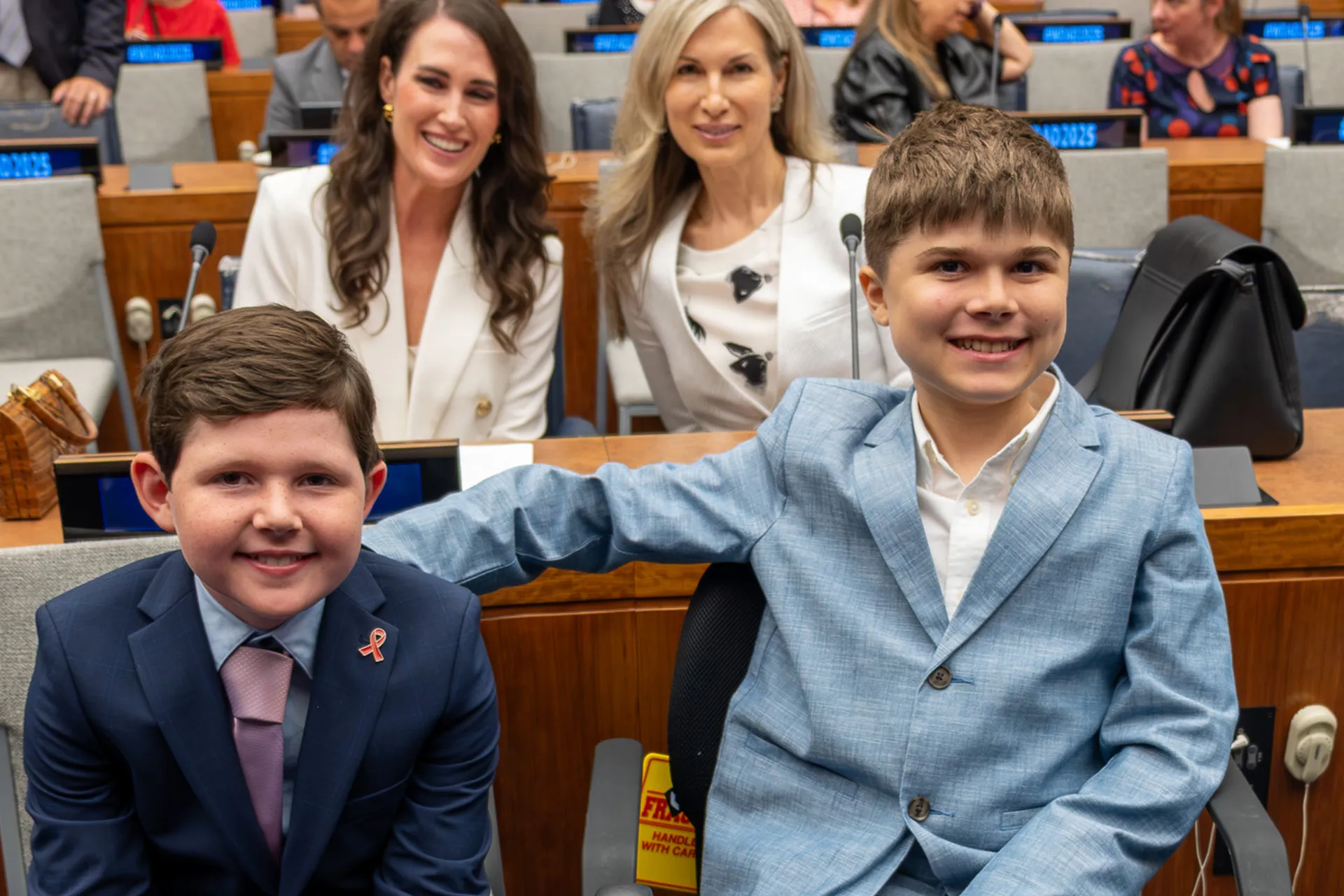
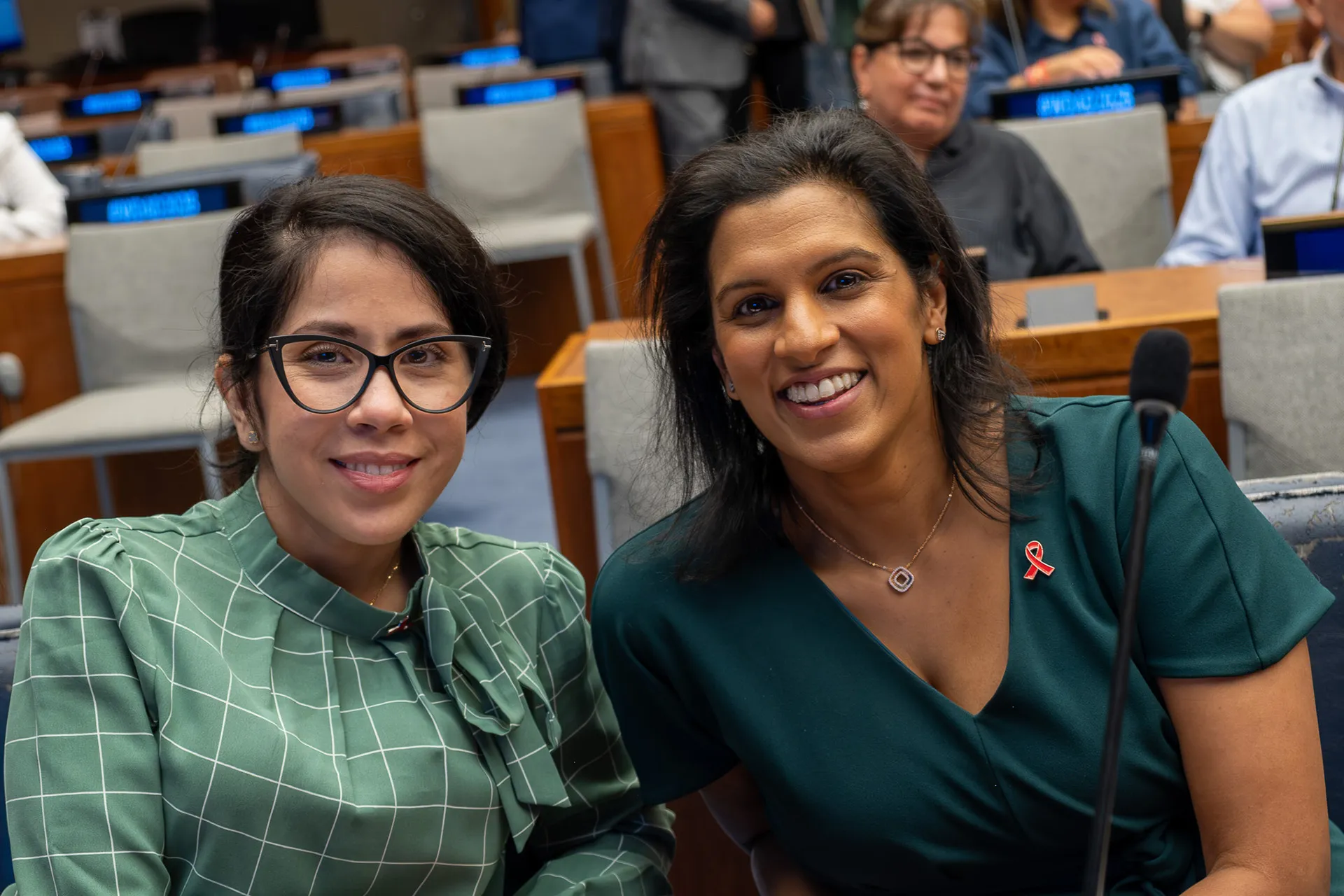
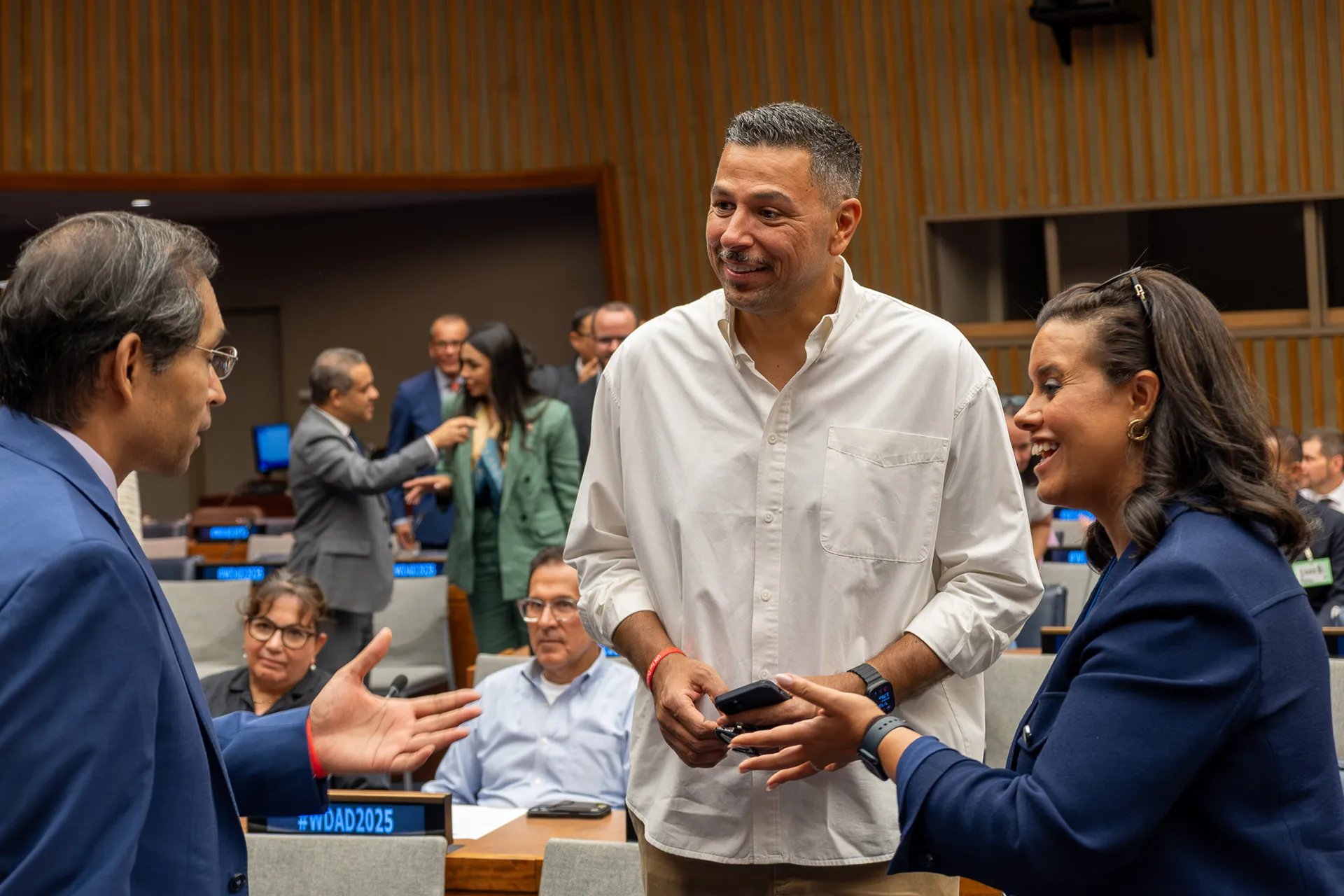
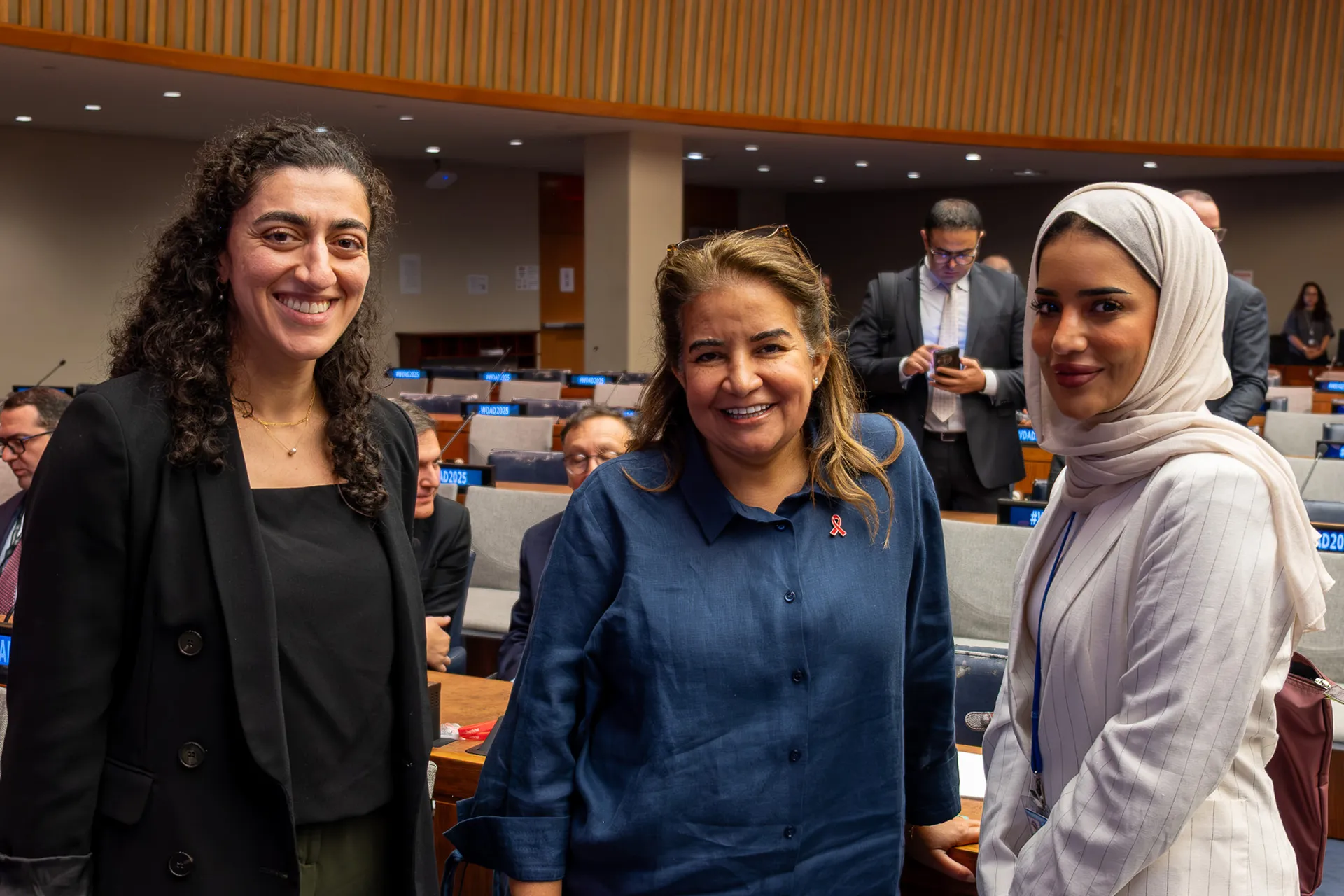
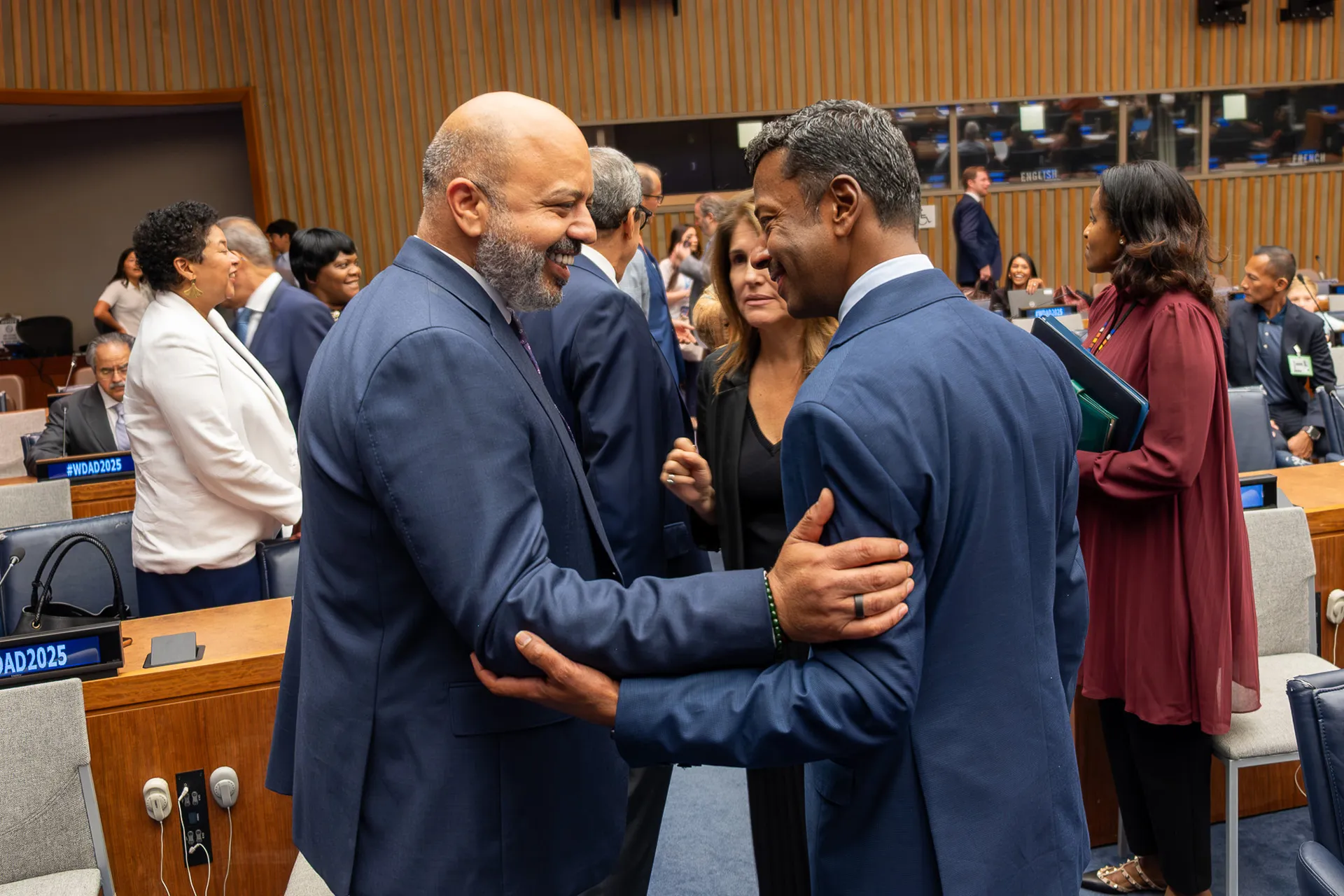
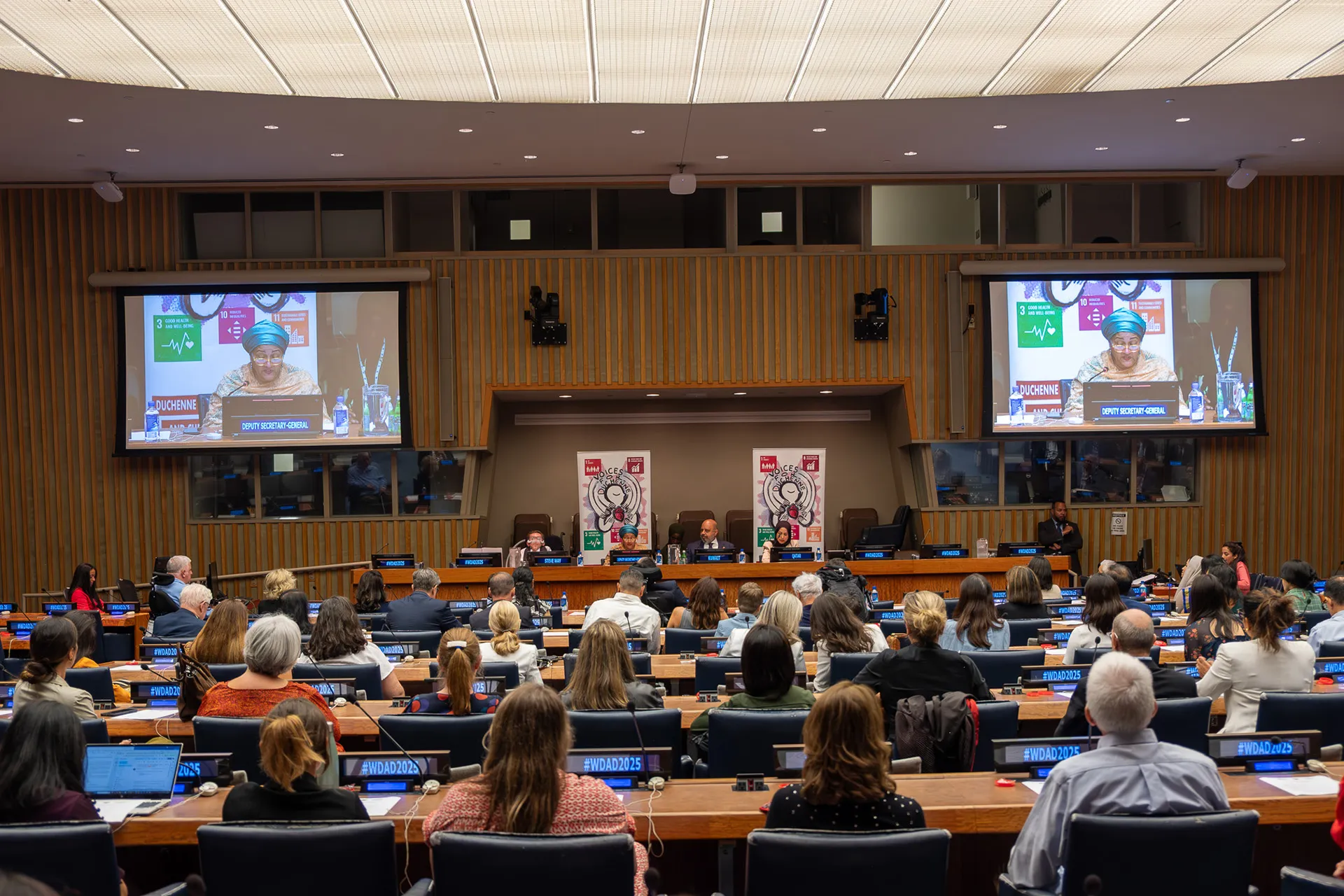
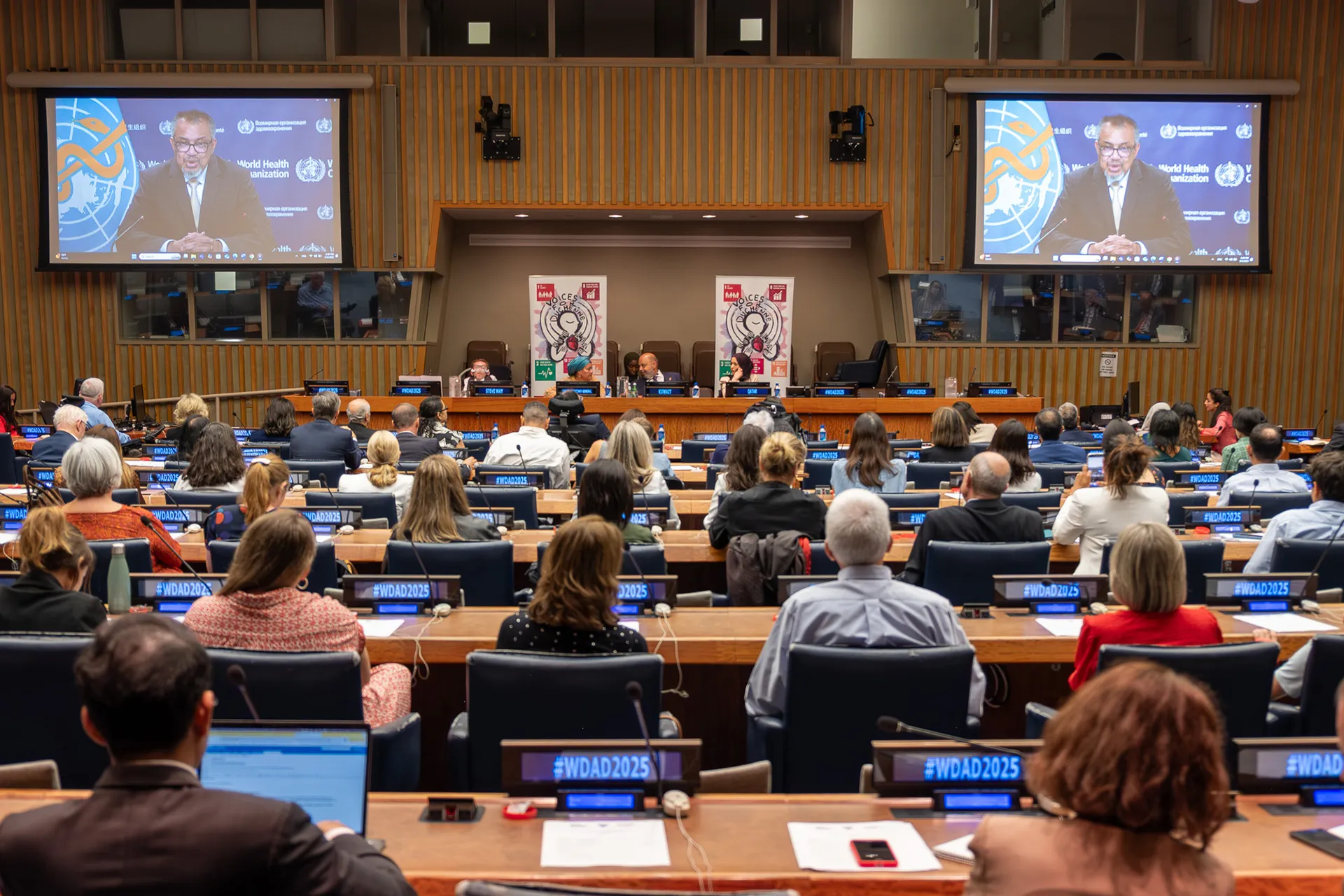
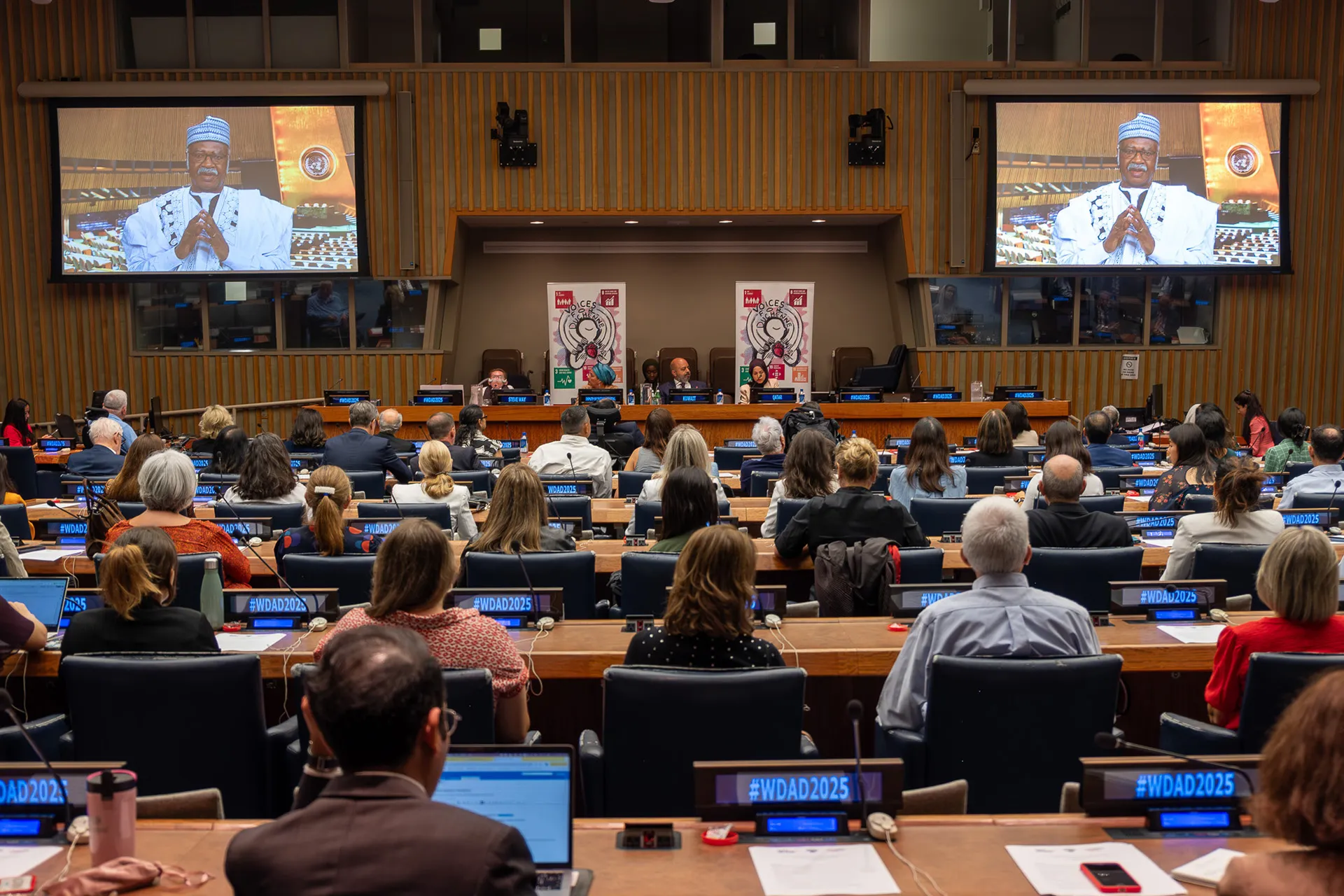
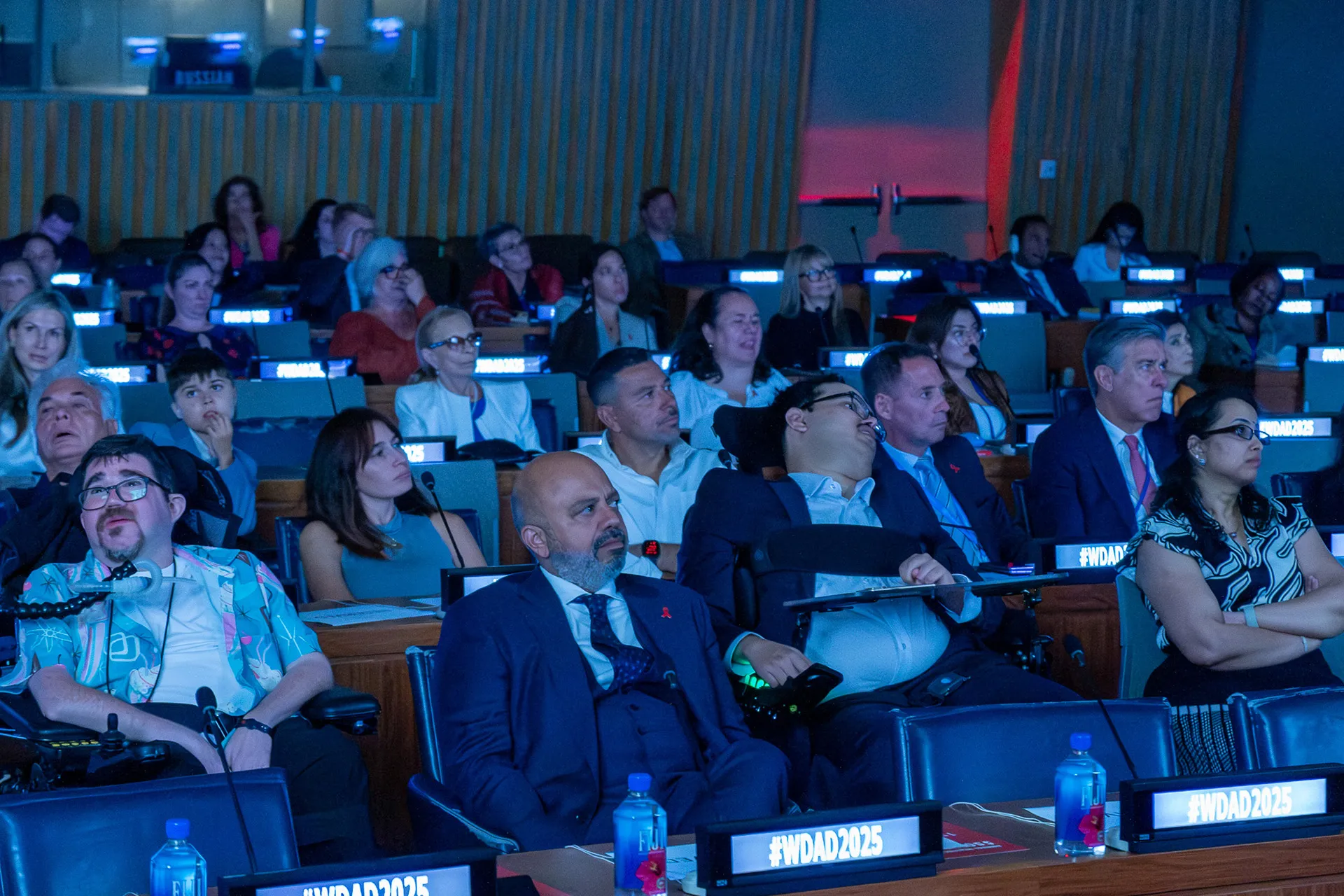
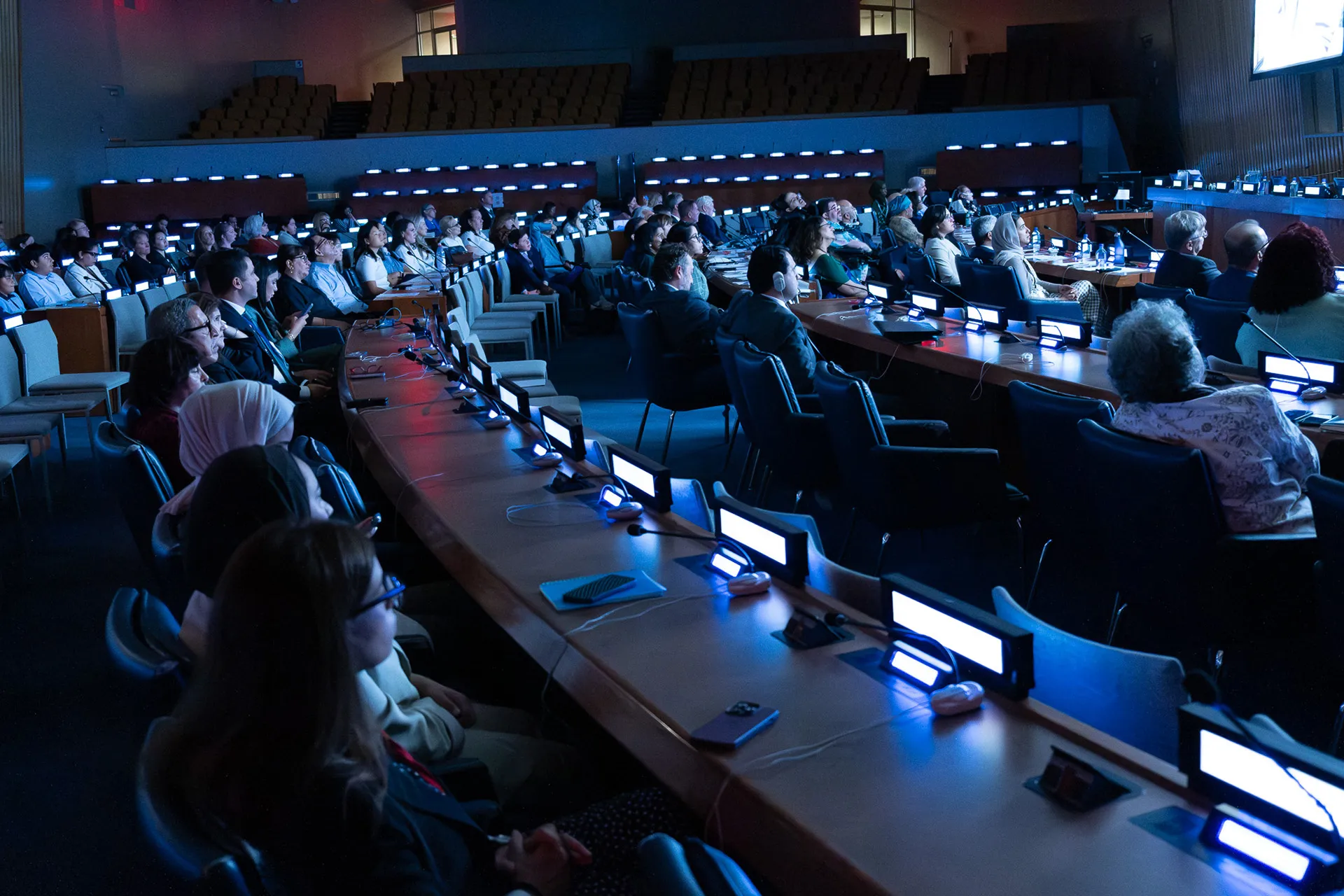
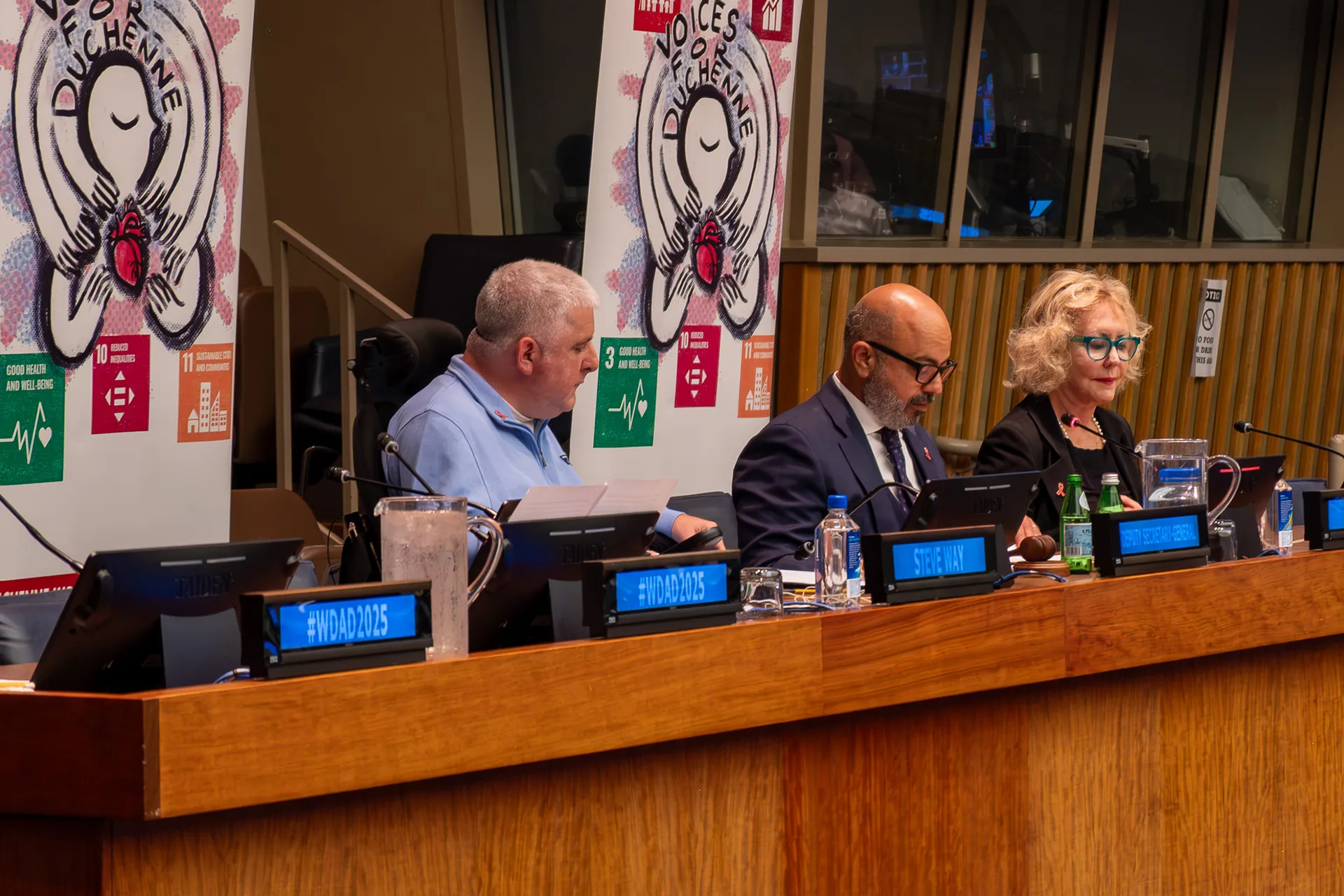
WDAD2025
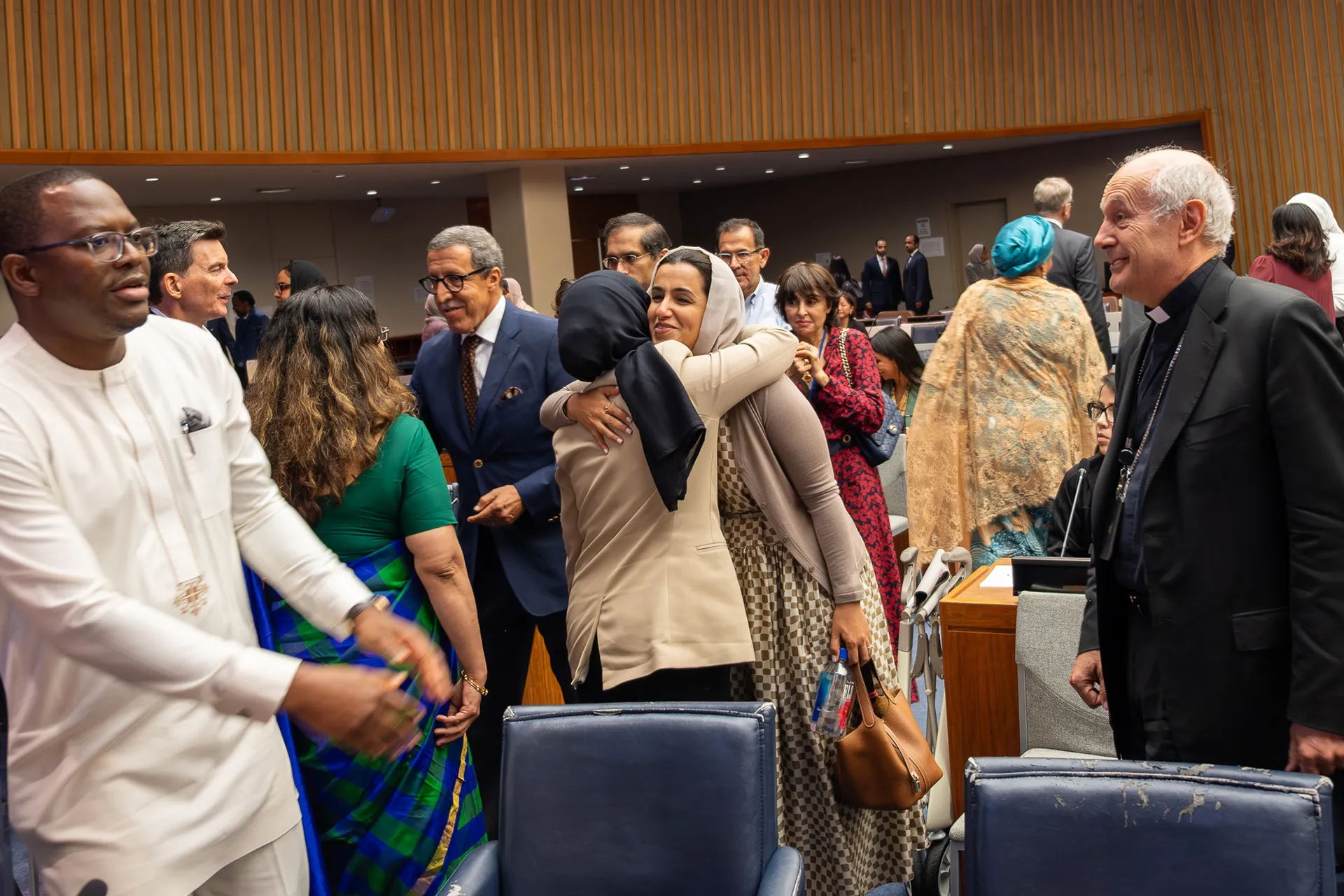
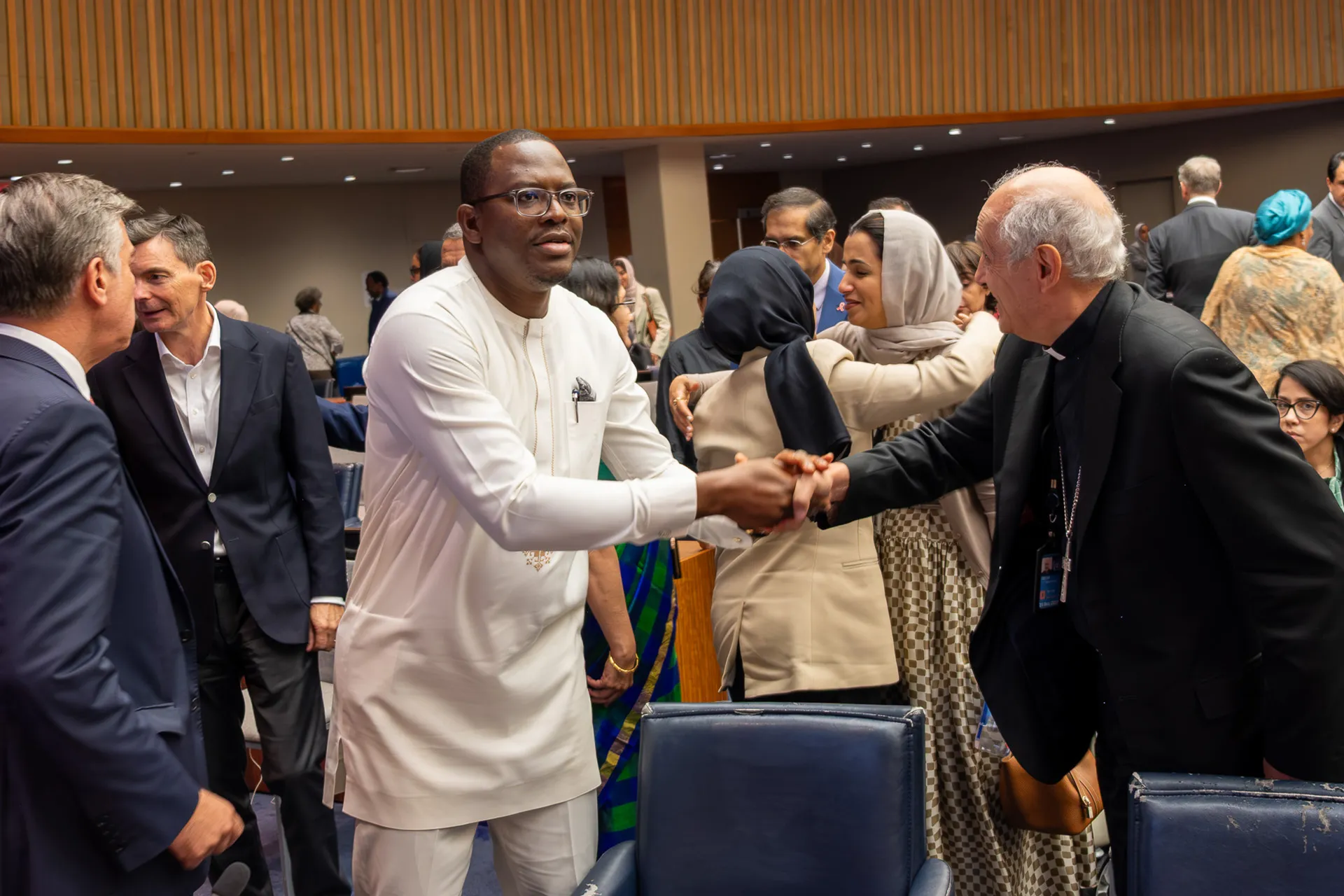
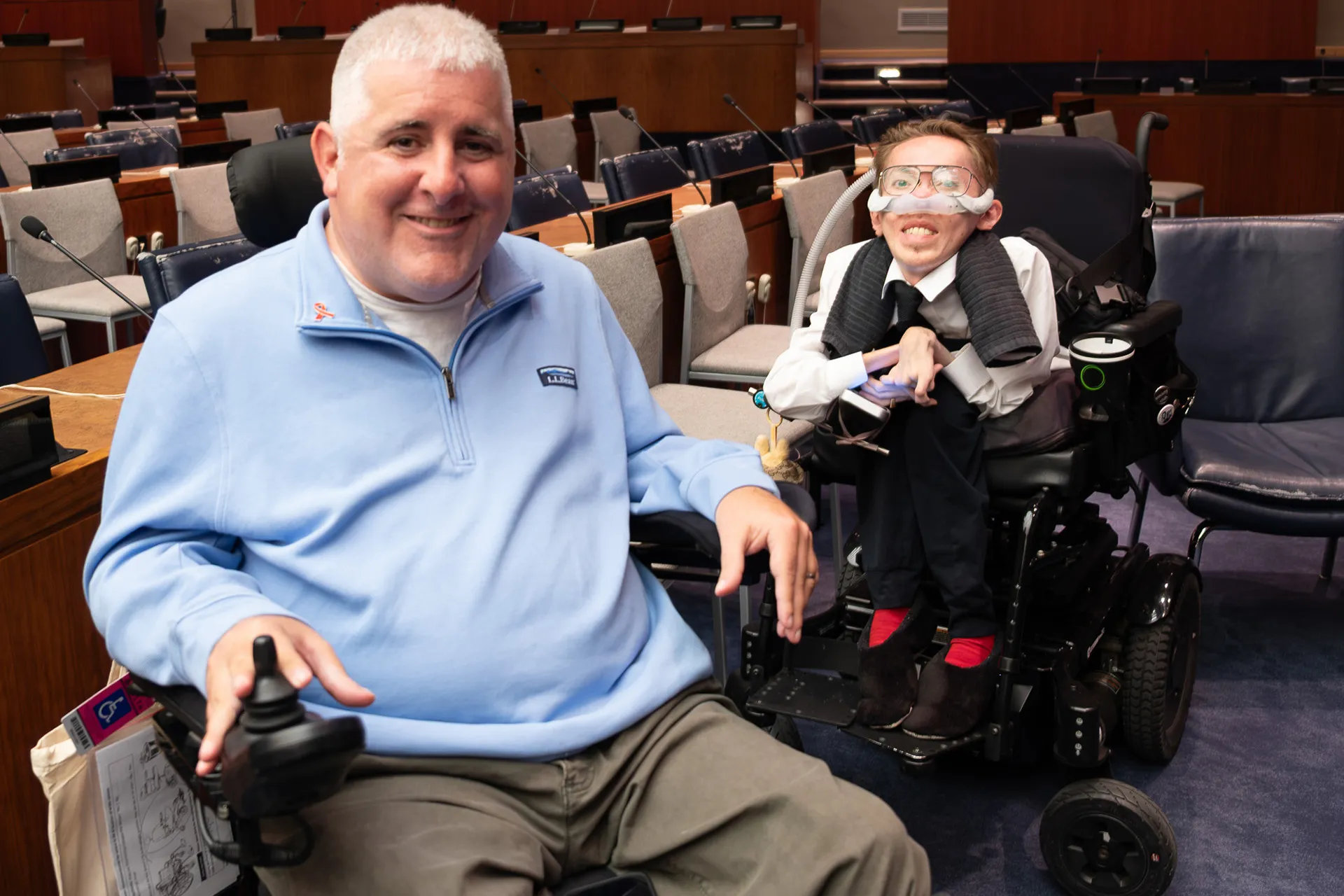
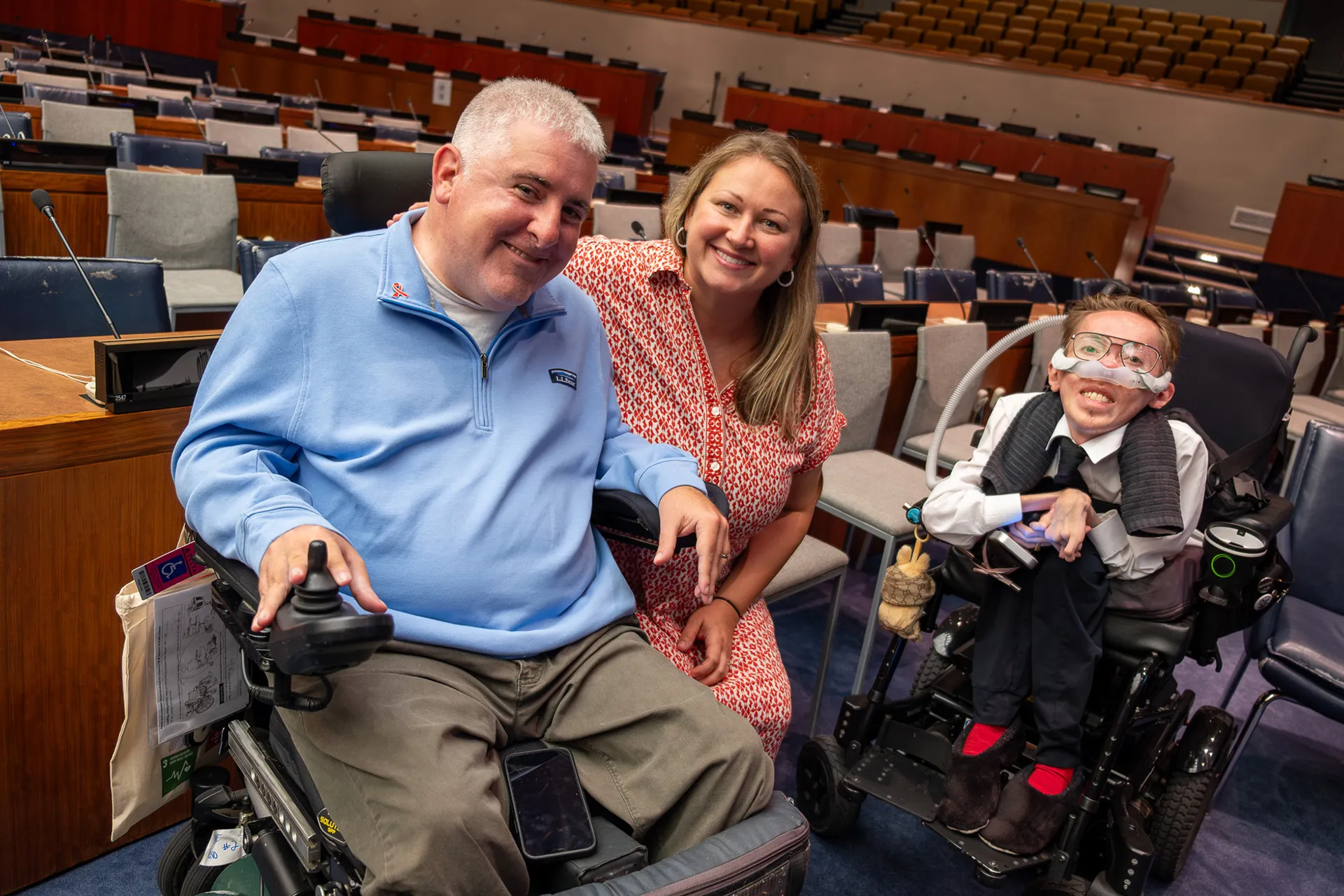
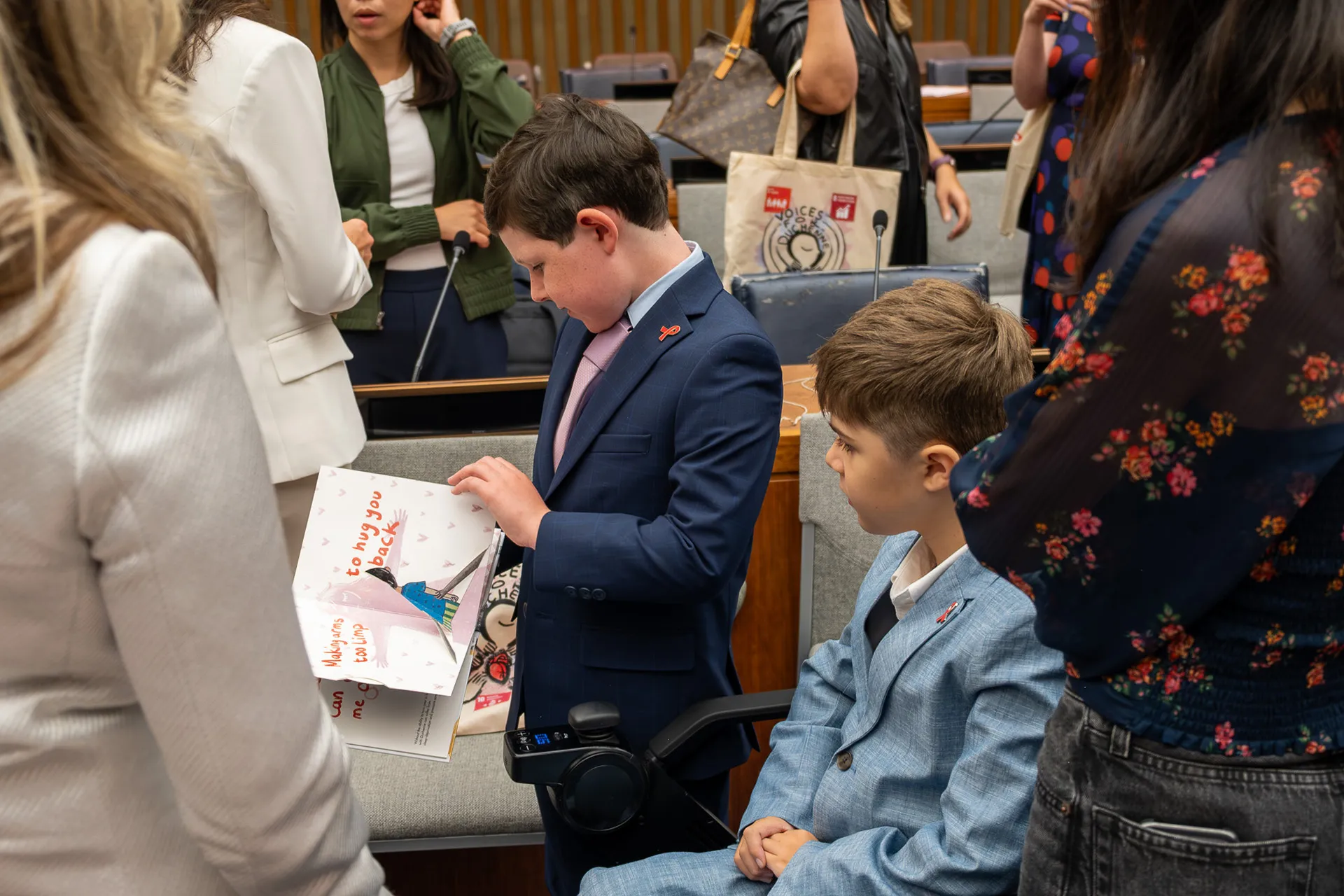
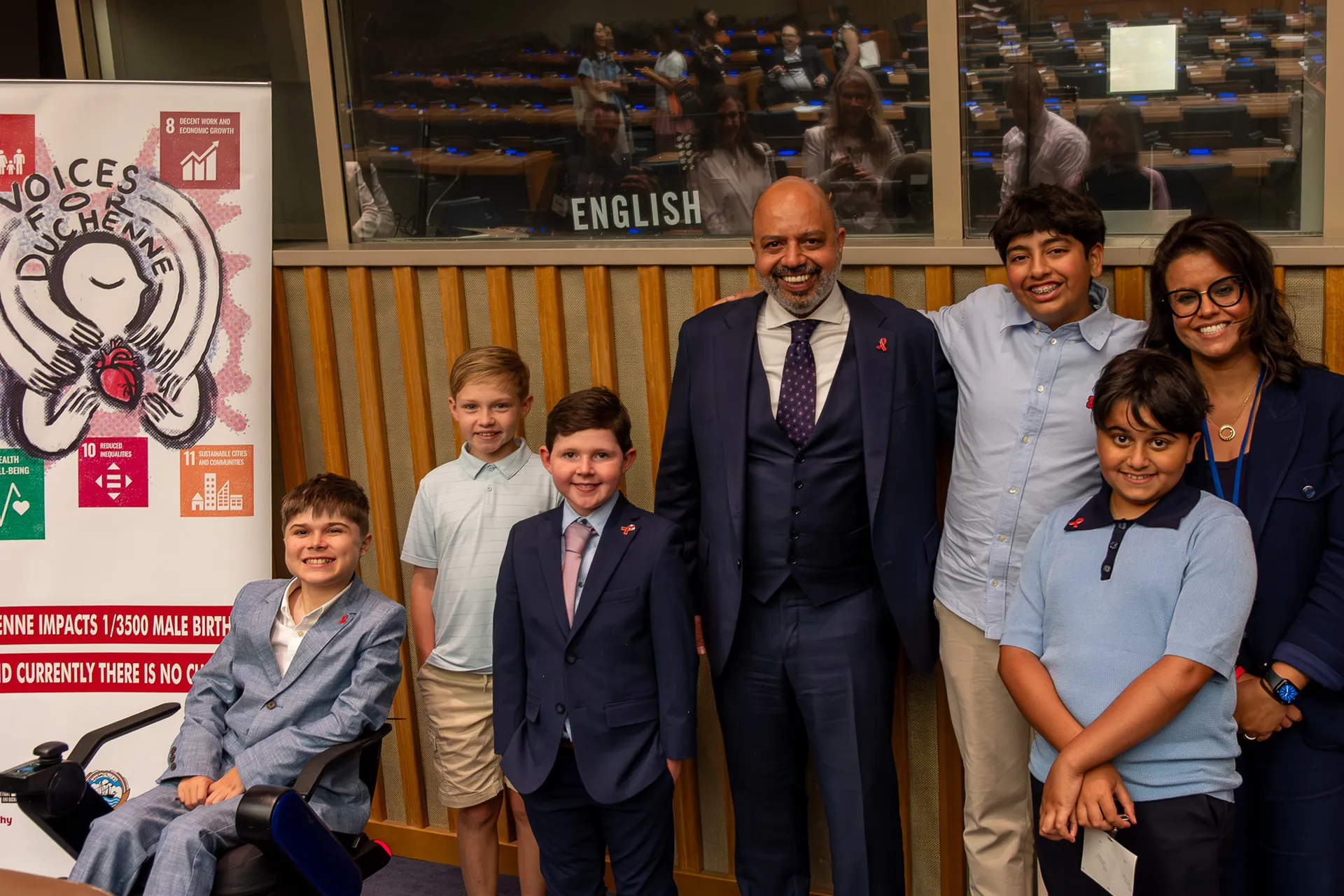
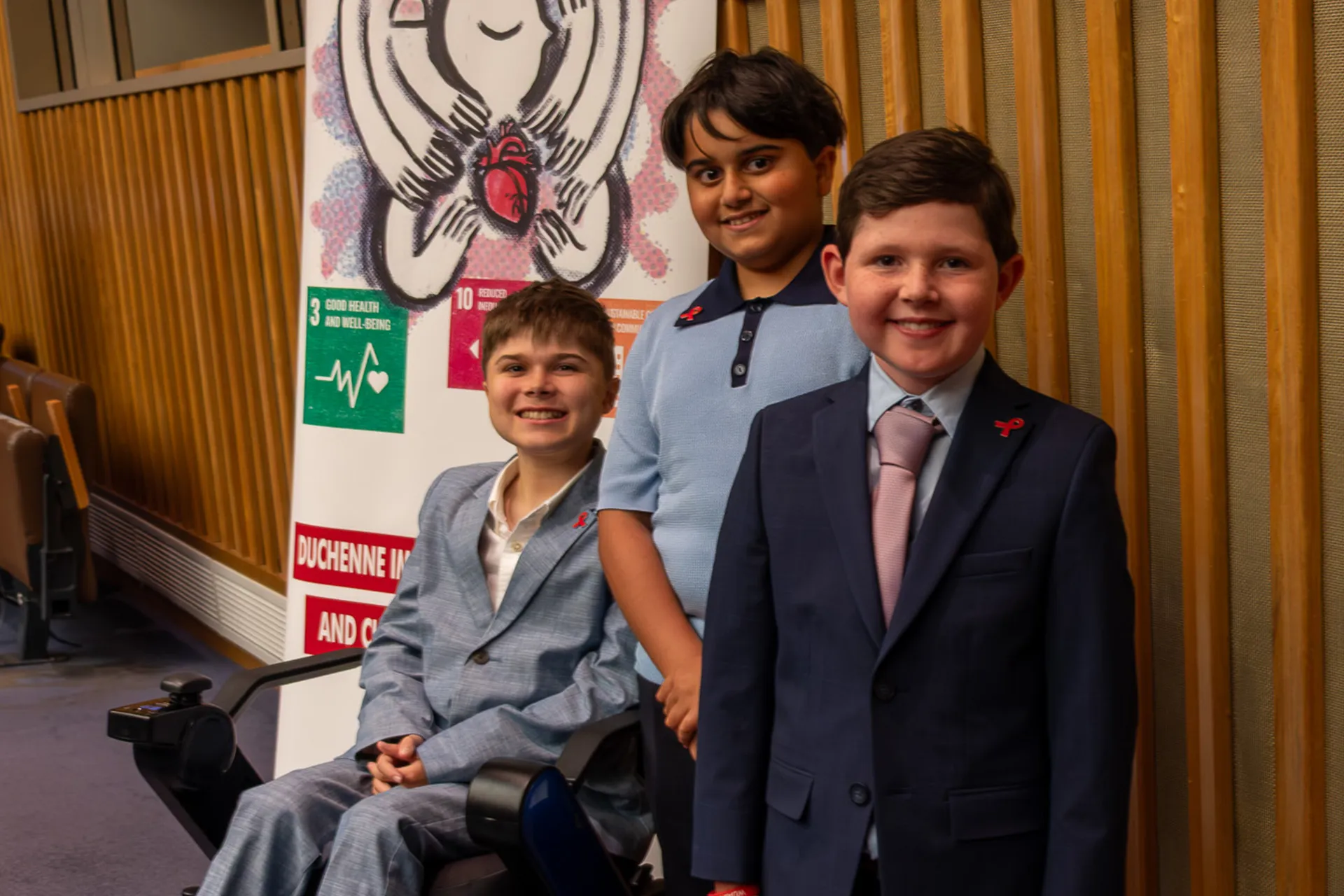
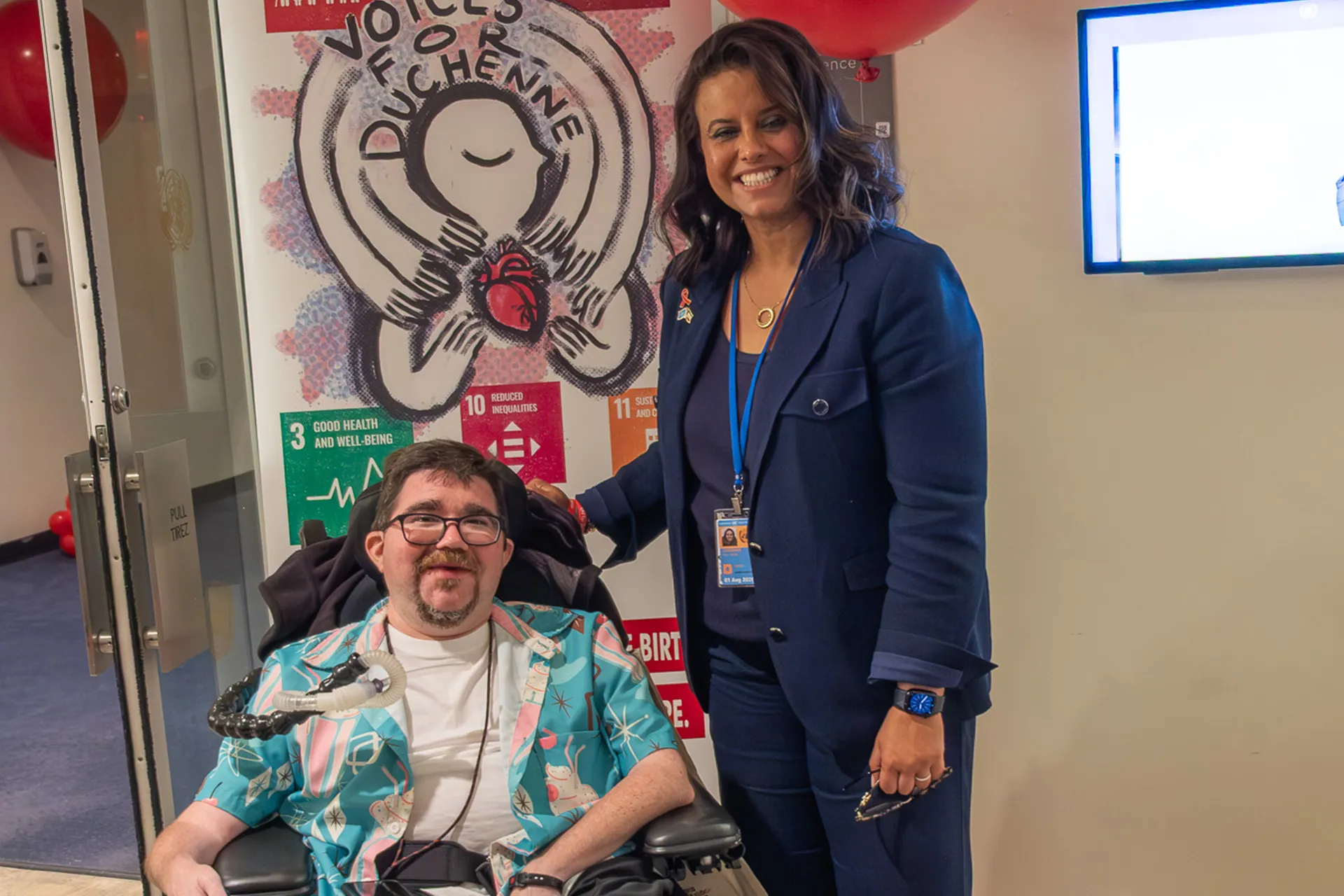
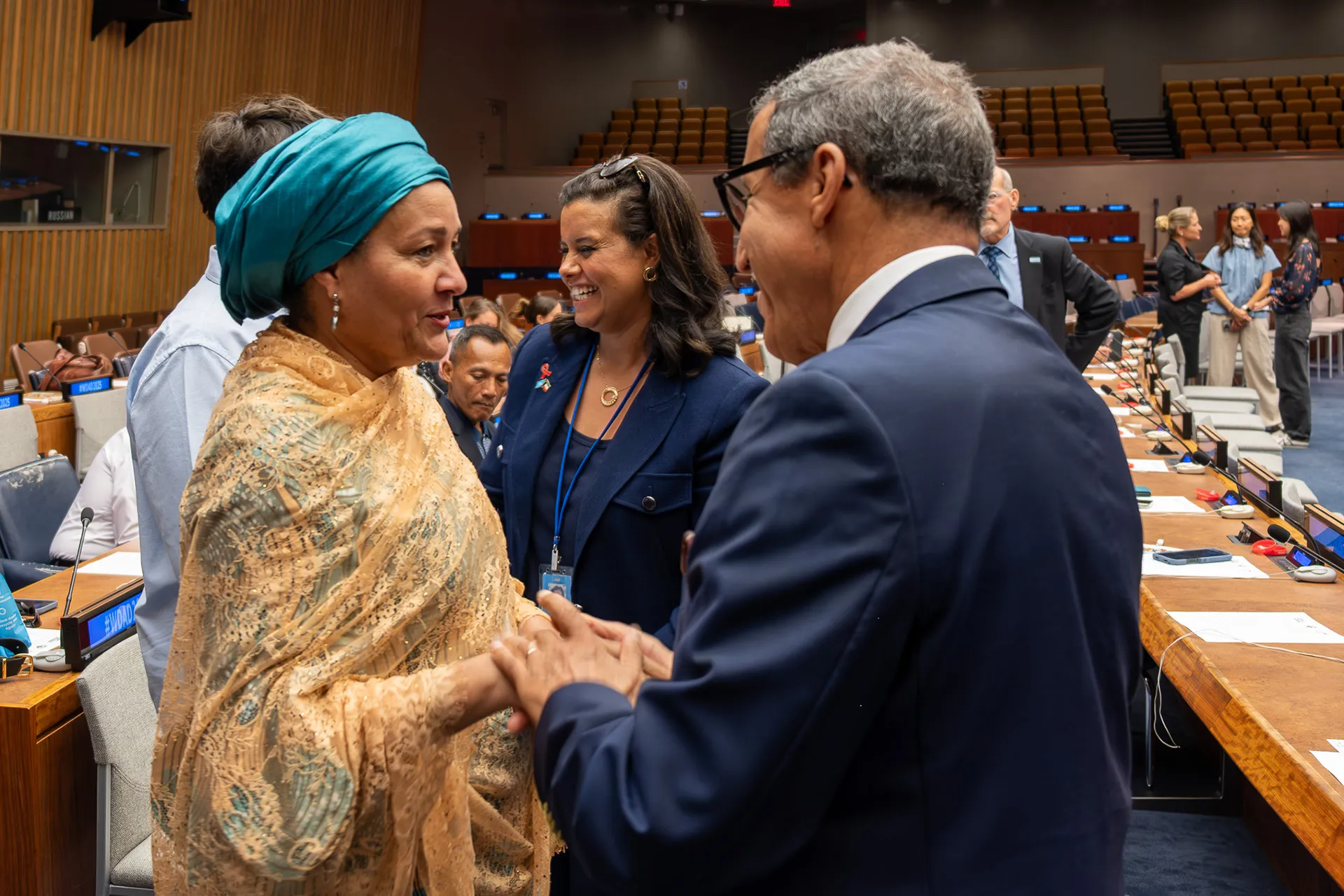
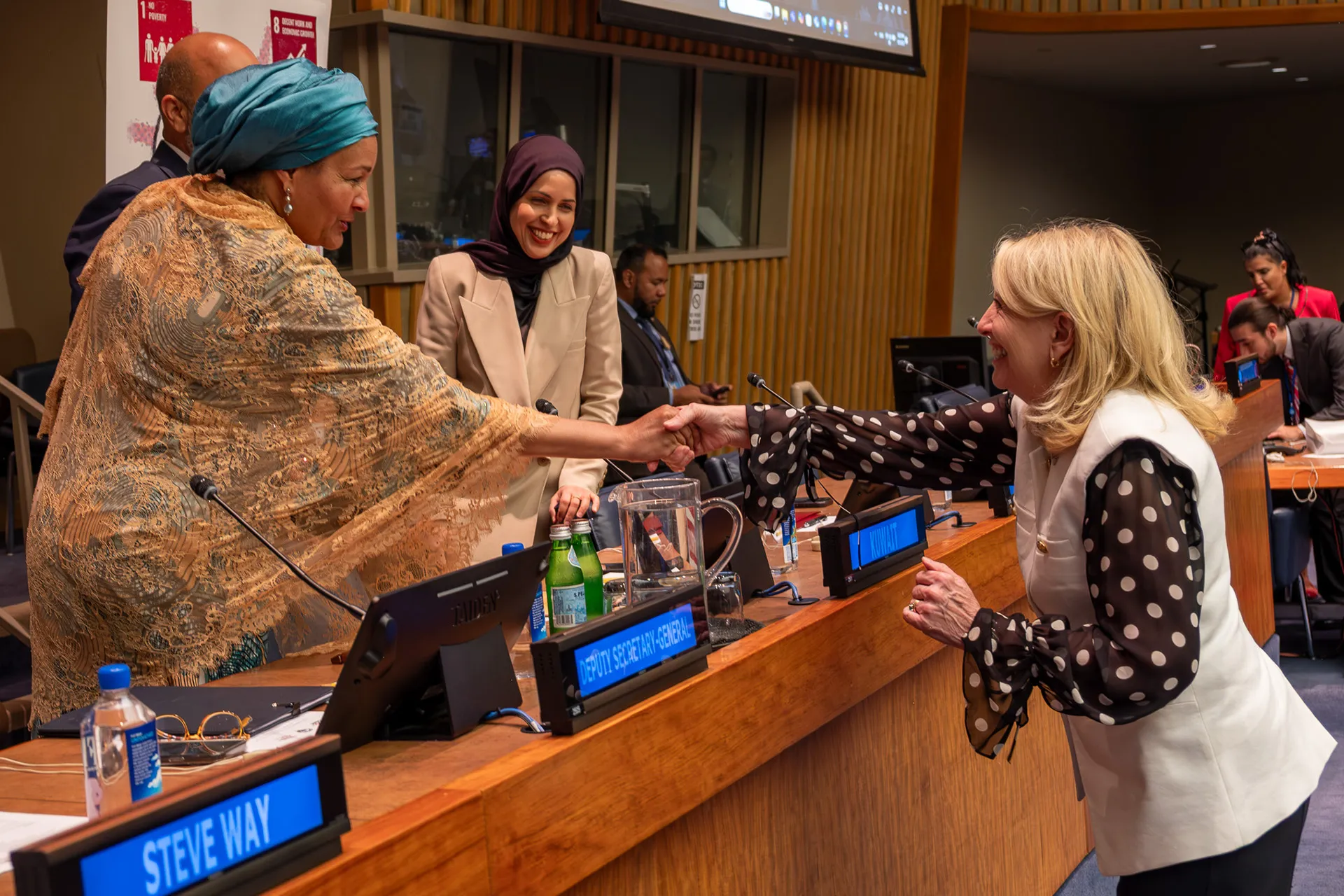
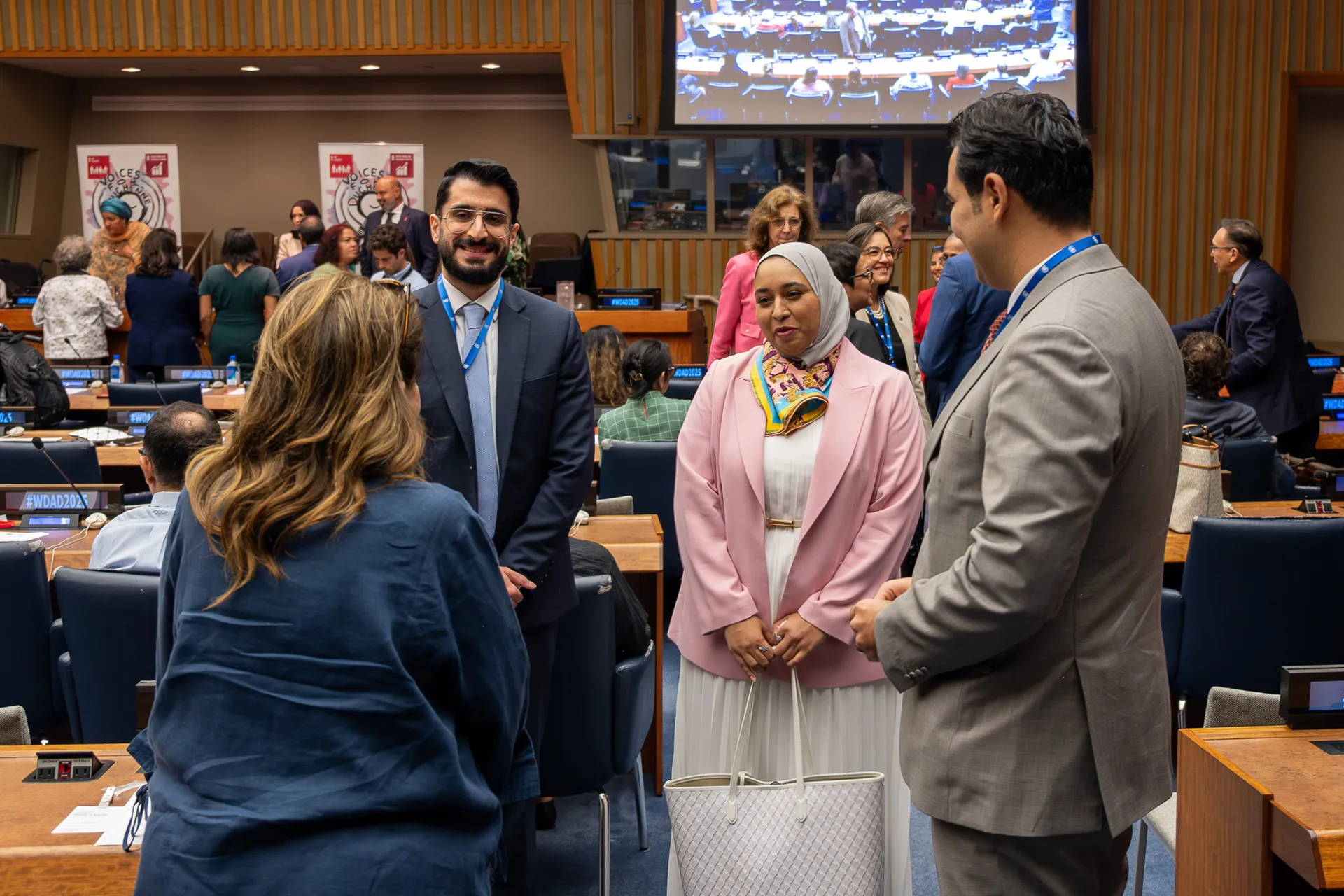
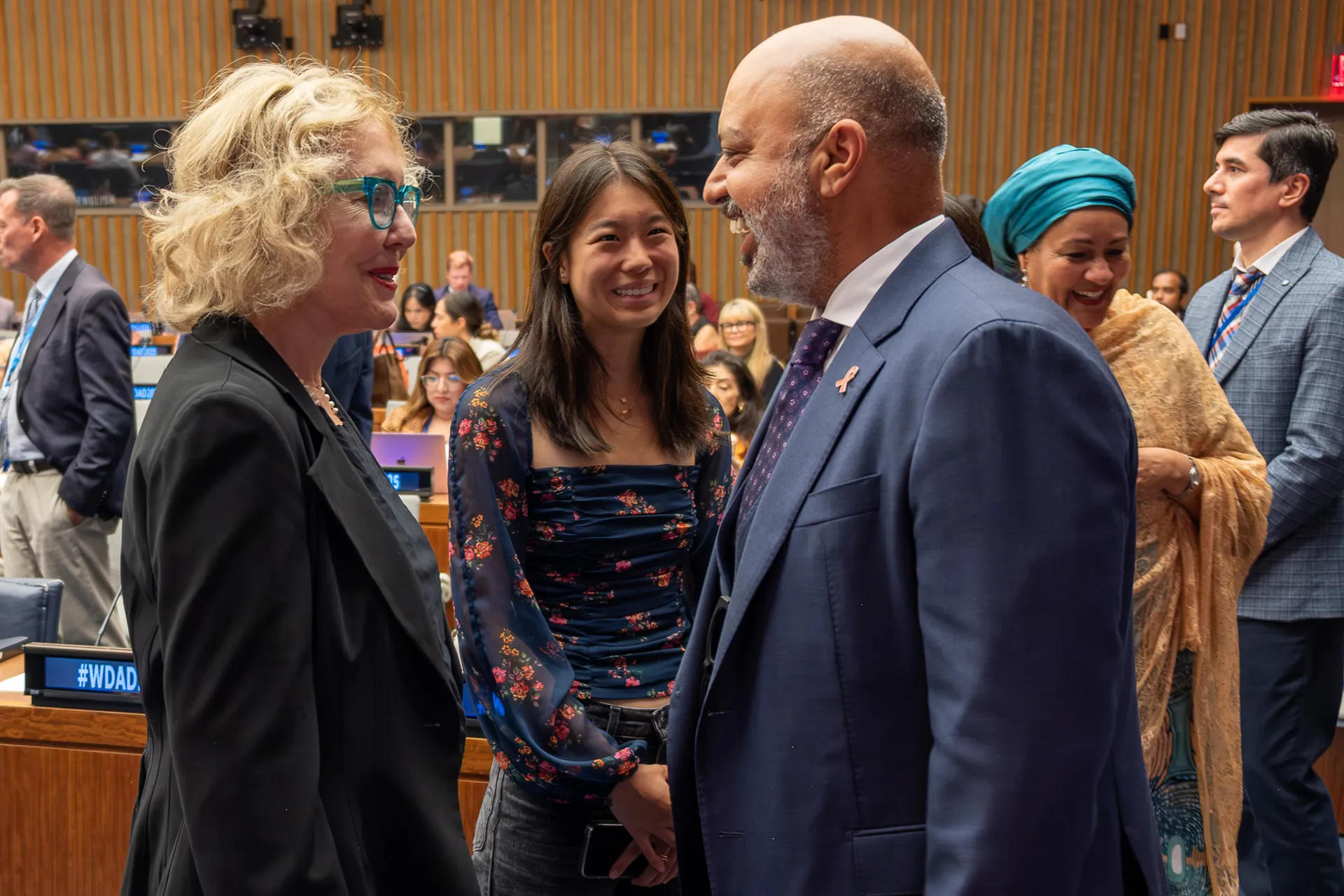
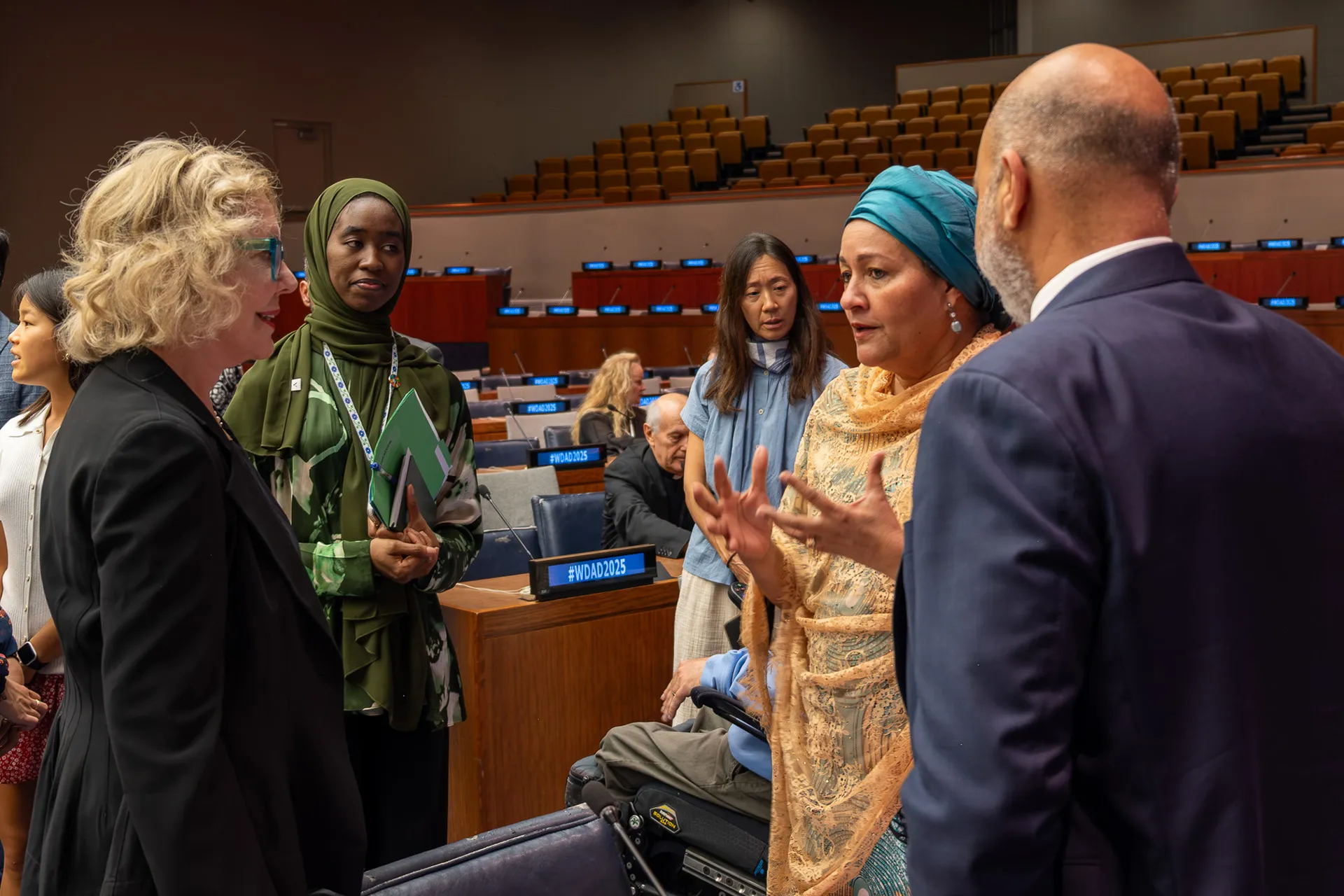
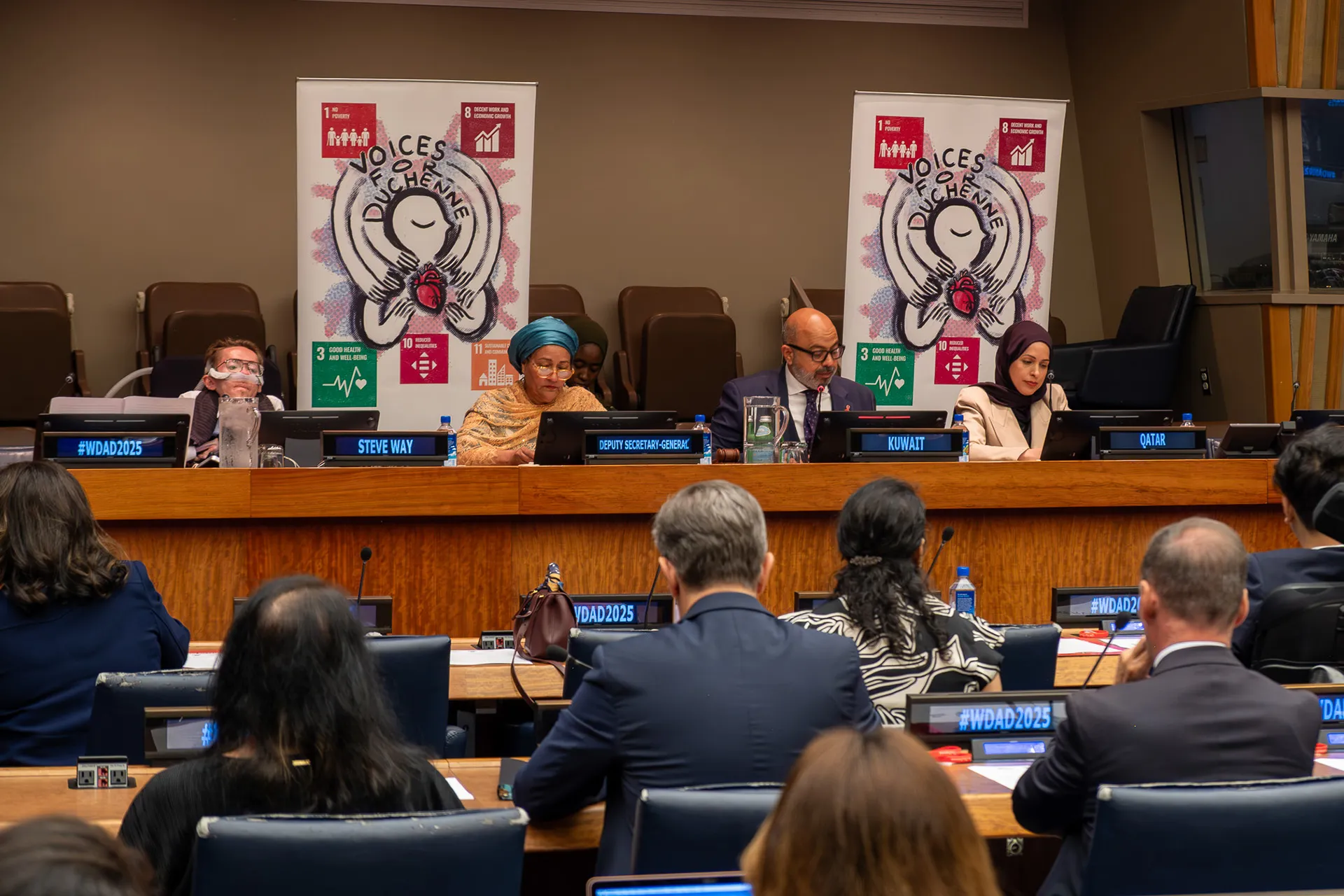
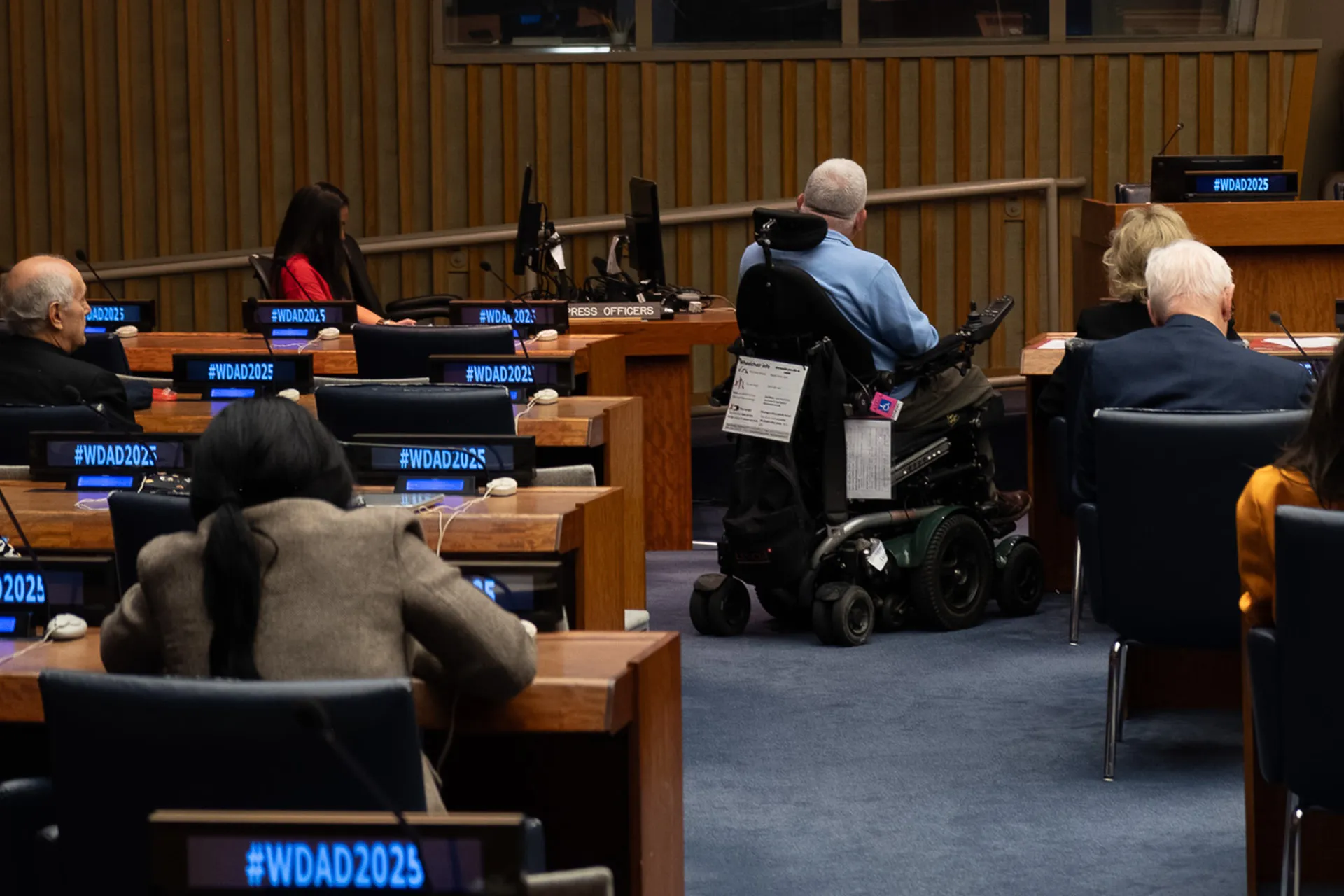
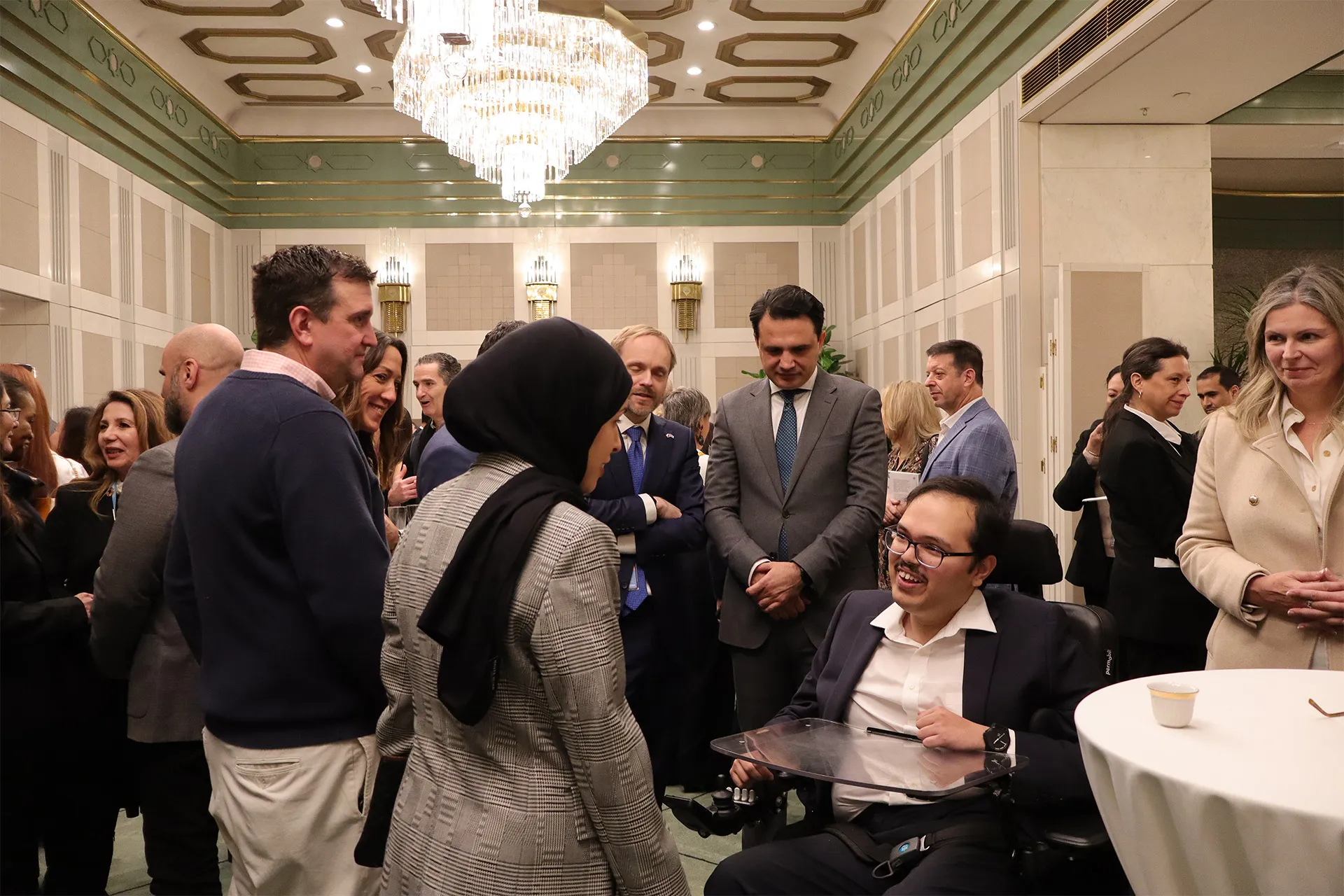
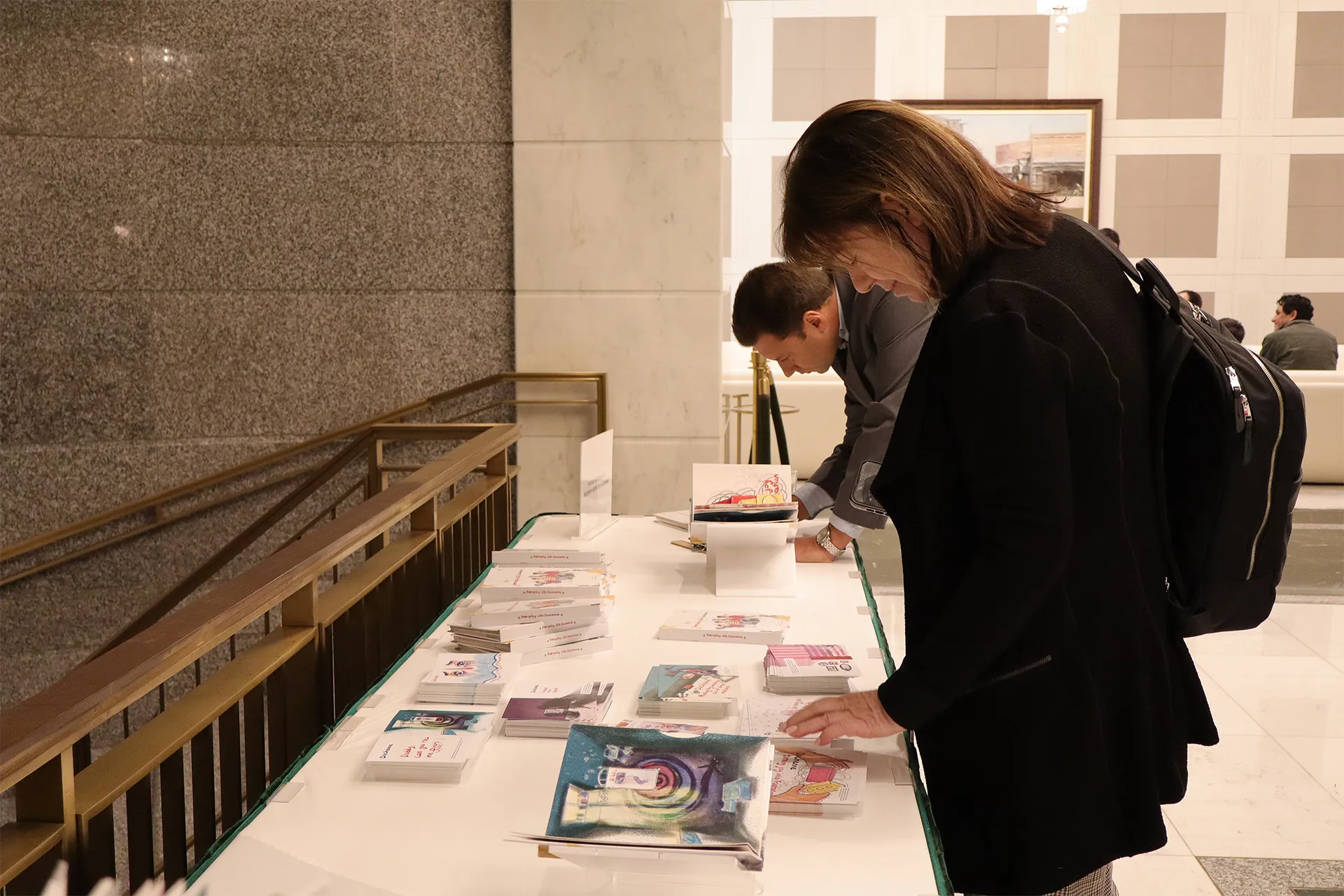
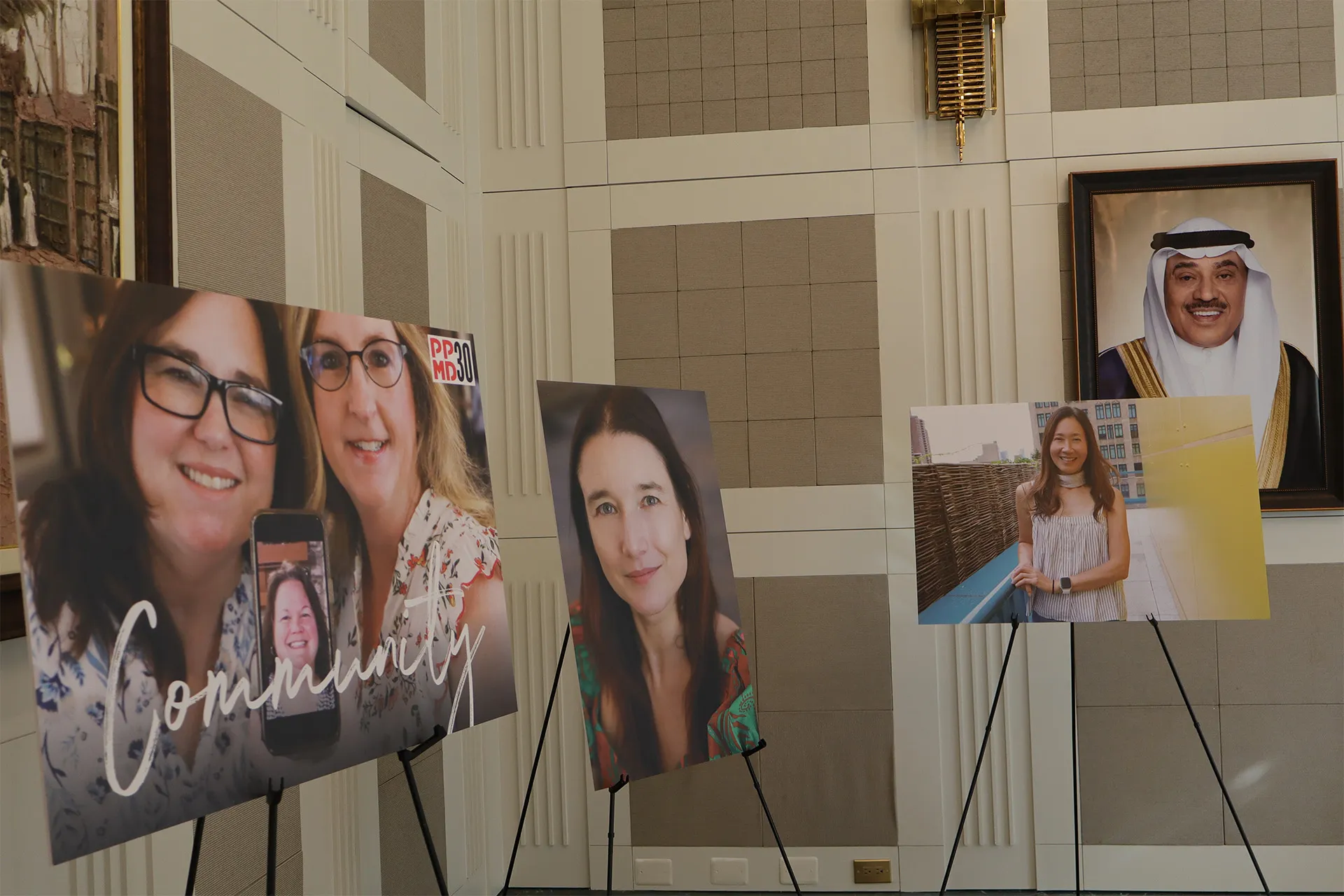
Duchenne Gallery Event